Proper roof ventilation is often overlooked by homeowners, but it plays a critical role in the longevity, efficiency, and safety of your home. If you’re considering a roof inspection or replacement, understanding why roof vents are necessary can save you money and protect your investment.
In this guide, we’ll explain the ins and outs of roof vents, filling in the gaps to give you the full picture of how they impact your home’s roof system’s energy efficiency, ventilation, and long-term durability.
Larry Haight’s Residential Roofing has been serving homeowners across Greater Seattle for decades, offering trusted expertise and consistent results. If you find yourself with questions or concerns about your roof’s ventilation system, don’t hesitate—call us today at (425)-881-9771 or contact us online for a free inspection or professional roof vent installation to ensure your home stays protected.
What Are Roof Vents?
Roof vents are openings strategically placed in your attic or roof to allow proper airflow. They help expel hot air in the summer and moisture-laden air in the winter, preventing damage to your roof system and home interior. Common types include:
- Ridge Vents: Installed at the peak of the roof to allow hot air to escape.
- Soffit Vents: Located under the eaves to allow fresh air intake.
- Gable Vents: Placed on the gable ends of the home for cross-ventilation.
- Attic Fans: Mechanically push hot air out of the attic.
Proper roof vent installation ensures these components work together to maintain airflow balance. When correctly installed, they help your roof perform as intended, extending its lifespan and protecting the structure beneath.
How Roof Vents Work
Roof vents work by creating a continuous flow of air through the attic. Here’s the basic principle:
- Intake Vents: Typically soffit or lower roof vents, they allow cooler outside air to enter the attic space.
- Exhaust Vents: Ridge, gable, or roof-mounted vents allow hot, humid air to escape from the attic.
- Airflow Balance: For optimal performance, the amount of intake and exhaust must be balanced. This prevents trapped heat and moisture, which can lead to shingle deterioration, mold growth, or structural damage.
- Stack Effect: Warm air naturally rises, so ridge vents at the peak of the roof allow hot air to escape efficiently, while cooler air is drawn in through soffit vents.
Why Roof Vents Are Necessary for Performance & Longevity
Installing roof vents is more than a construction formality—it’s a critical step in preserving your home’s value and comfort. Here’s why:
Key Benefits of Roof Vents
- Moisture Control: Roof vents prevent condensation buildup, which can lead to costly (and health-hazardous) mold and wood rot.
- Temperature Regulation: Proper airflow keeps your attic cooler in the summer, reducing HVAC strain.
- Extended Roof Lifespan: Ventilation prevents shingles from overheating, minimizing premature aging.
- Energy Efficiency: By regulating temperature, vents help lower heating and cooling costs.
- Home Comfort: Balanced airflow reduces hot spots in summer and cold drafts in winter.
A professional roof vent installation guarantees that your home enjoys these benefits while maintaining structural integrity.
Risks of Poor or Missing Ventilation
Failing to install or maintain roof vents can have serious, and often costly, consequences:
- Moisture Damage: Excess humidity causes mold, mildew, and rot in attic structures.
- Ice Dams: In cold climates, trapped warm air melts snow, creating ice dams that damage shingles and gutters.
- Shingle Deterioration: Overheating shingles may crack, curl, or blister prematurely.
- Increased Energy Bills: Poor ventilation forces HVAC systems to work harder.
- Decreased Home Value: Long-term moisture and structural issues can lower your property’s resale value.
Scheduling a professional roof vent installation or inspection is the best way to avoid these costly issues and keep your roof system operating at its highest capability.
Impact on Roof System Lifespan
Even high-quality roofing materials cannot perform properly without adequate ventilation. Roof vents play a critical role in reducing stress on shingles, underlayment, and structural components of your attic. Without proper airflow, heat and moisture build up, leading to several potential problems:
- Shingle Damage and Reduced Lifespan: Excess heat in the attic can cause shingles to warp, crack, or curl prematurely. Even premium shingles, like those from CertainTeed or IB Roofing Systems, may fail to meet their expected lifespan if ventilation is inadequate.
- Underlayment Deterioration: Underlayment protects the roof deck from moisture, but trapped heat and condensation can accelerate its breakdown, leading to leaks or reduced water resistance.
- Wood and Structural Stress: Moisture accumulation can weaken rafters, trusses, and decking, potentially causing rot or compromising structural integrity over time.
- Compromised Warranties: Many premium roofing systems, including IB Roofing Systems, require proper ventilation to maintain manufacturer warranties. Failing to meet airflow requirements can void coverage and leave homeowners responsible for repairs.
- Increased Energy Costs and Home Stress: Poor attic ventilation forces HVAC systems to work harder, increasing energy bills and causing uneven heating or cooling throughout the home.
Energy Efficiency & Home Comfort
Roof vents are truly the unsung heroes of energy efficiency. By releasing hot air in summer and minimizing moisture in winter, they reduce the burden on your HVAC system, leading to noticeable savings year-round.
A correctly installed vent system balances airflow, maintaining a stable attic temperature and preventing energy waste. According to the ENERGY STAR/U.S. Department of Energy guide on attic ventilation, homeowners can save up to 15% on heating and cooling costs just by improving their attic’s air sealing and ventilation.
For example:
- In summer, an attic without proper ventilation can reach temperatures 30‑40 °F higher than the outside air, making your air conditioner work harder. A properly-vented attic reduces this heat load.
- In winter, excess moisture in the attic due to poor ventilation can raise humidity levels, force your HVAC to work harder, and lead to energy losses.
- In both cases, a good system prevents thermal stress on your roof and attic structure and reduces overall energy use.
So when you’re thinking through why roof vents are necessary, remember: it’s not just about the roof materials, it’s about the whole home system, combining insulation, ventilation, HVAC, comfort, and cost.
Choosing and Maintaining Roof Vents: What Homeowners Should Know
Proper placement of roof vents is just as important as selecting the right type. Even the best vents won’t perform correctly if they are positioned poorly, which can lead to uneven airflow, trapped heat, and moisture buildup. Strategic placement ensures your attic remains balanced, protecting your roof, insulation, and overall home comfort.
Key Considerations for Placement:
- Intake vs. Exhaust Balance:
- Intake vents (usually soffit vents) allow cooler outside air to enter the attic.
- Exhaust vents (ridge, gable, or roof-mounted vents) let hot, humid air escape.
- A well-balanced system ensures continuous airflow, preventing heat pockets and condensation.
- Optimal Vent Locations by Type:
- Ridge Vents: Installed along the peak of the roof to allow hot air to escape evenly along the entire ridge.
- Soffit Vents: Located under the eaves, providing consistent intake to pull in cooler air.
- Gable Vents: Placed on the gable ends to promote cross-ventilation in smaller or steeper attics.
- Attic Fans: Installed near the peak, often in combination with ridge or gable vents, to mechanically enhance airflow in larger or poorly ventilated attics.
- Roof Design Considerations:
- Hip roofs may require multiple ridge and soffit vents to ensure proper airflow.
- Gable roofs benefit from a combination of gable and ridge vents to avoid stagnant areas.
- Flat or low-slope roofs may require specialized roof vents or mechanical fans to achieve adequate ventilation.
- Proper Sizing:
- The vent area must match your attic square footage. Industry standards, such as the International Residential Code, recommend 1 square foot of ventilation for every 150 square feet of attic floor space.
- Maintenance Access:
- Ensure vents are placed where they can be easily inspected and cleaned. Soffit vents should not be blocked by insulation, and ridge vents should be inspected periodically for debris or damage.
Why Proper Placement Matters:
- Reduces the risk of moisture buildup, which can lead to mold, rot, or ice dams.
- Maintains energy efficiency by keeping attic temperatures stable.
- Extends roof and shingle lifespan by preventing heat stress.
- Preserves manufacturer warranties for premium roofing systems.
Signs You Need Roof Vent Inspection
Even with vents installed, problems can arise over time. Look for:
- Excessive heat in the attic
- Visible moisture or mold
- Curled, blistering, or damaged shingles
- Ice dams in winter
- Higher-than-normal energy bills
If you notice these warning signs, it’s time to schedule a professional inspection.
How Larry Haight’s Residential Roofing Handles Ventilation Right
At Larry Haight’s Residential Roofing, we combine experience, precision, and premium materials to ensure every roof we service is properly ventilated. With decades of experience and a legacy of satisfied customers, our team is the proud go-to for homeowners across King and Snohomish Counties.
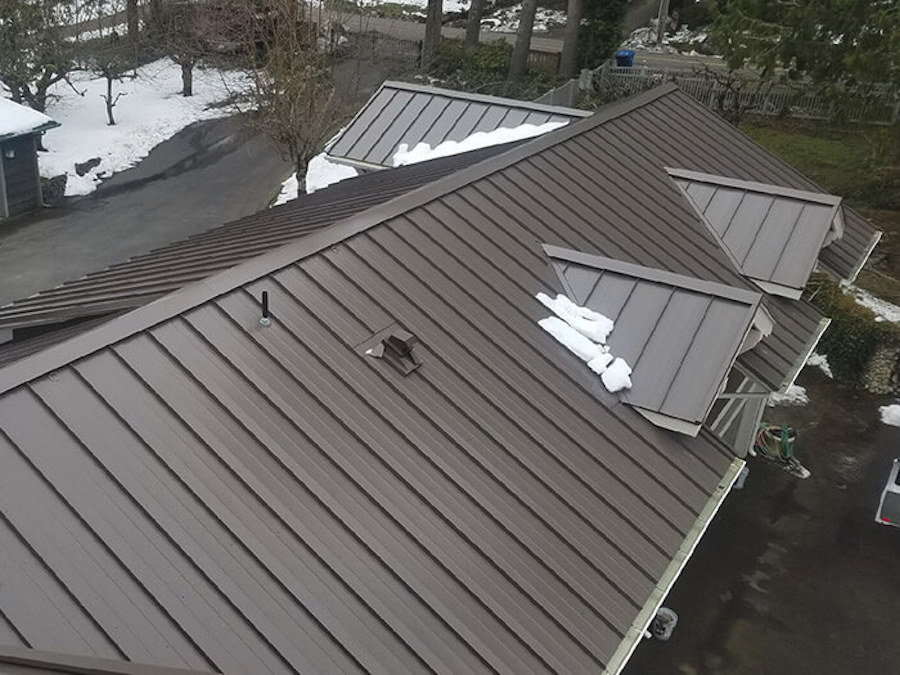
Whether installing top brands like CertainTeed or IB Roofing Systems, our team:
- Assesses attic airflow and ventilation needs
- Installs ridge, soffit, or gable vents as needed
- Ensures balanced ventilation for optimal performance and energy efficiency
- Provides expert maintenance and inspections
Protect Your Home – Schedule Roof Vent Installation Today!
Proper roof ventilation is essential for every home. From preventing moisture damage to improving energy efficiency, installing and maintaining roof vents safeguards your property and extends the life of your roof. Failing to invest in proper ventilation can lead to costly repairs, higher energy bills, and reduced home comfort.
Don’t wait until problems arise. Call Larry Haight’s Residential Roofing today at (425)-881-9771 or contact us online for a free consultation to protect your home and investment.
FAQ: Why Roof Vents Are Necessary
Q: Why are roof vents necessary for my home?
Roof vents are essential for maintaining proper airflow in your attic, thereby preventing heat and moisture buildup. Without them, shingles, underlayment, and wooden structures can deteriorate faster, energy bills can increase, and mold or ice dams may develop. Proper ventilation helps your roof and home perform as designed.
Q: What are the most common types of roof vents?
The most common types include ridge vents, soffit vents, gable vents, and attic fans. Each type has a specific purpose, either bringing in cool air (intake) or expelling hot, humid air (exhaust) to maintain balanced attic airflow.
Q: How does roof vent placement affect performance?
Placement is critical. Intake vents like soffit vents should be low on the roof to allow fresh air in, while ridge or gable vents should be near the peak for exhaust. Proper placement ensures consistent airflow, prevents heat and moisture pockets, and protects your roof materials.
Q: Can roof vents save money on energy bills?
Yes. According to the U.S. Department of Energy, properly ventilated attics reduce strain on HVAC systems and can save up to 10–15% on heating and cooling costs annually. Balanced roof ventilation maintains a stable attic temperature and improves energy efficiency.
Q: Do I need a professional for roof vent installation?
While some homeowners attempt DIY, professional roof vent installation ensures vents are correctly sized, placed, and balanced for maximum airflow. Improper installation can lead to moisture problems, reduced shingle life, and potential warranty issues with roofing systems like CertainTeed or IB Roofing Systems.
Related Topics