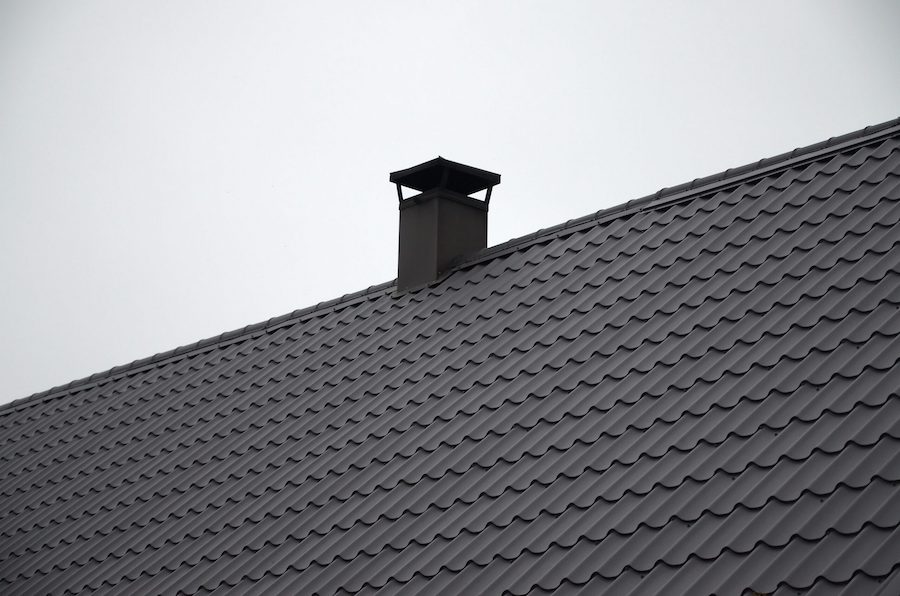
Roof ventilation is one of the most misunderstood—and most important—parts of a residential roofing system. At Larry Haight’s Residential Roofing, we help homeowners understand why roofs need proper ventilation and how proper airflow impacts energy efficiency, roof longevity, and indoor comfort. This guide breaks down why roof ventilation matters, how to spot potential issues, and when professional insight is needed.
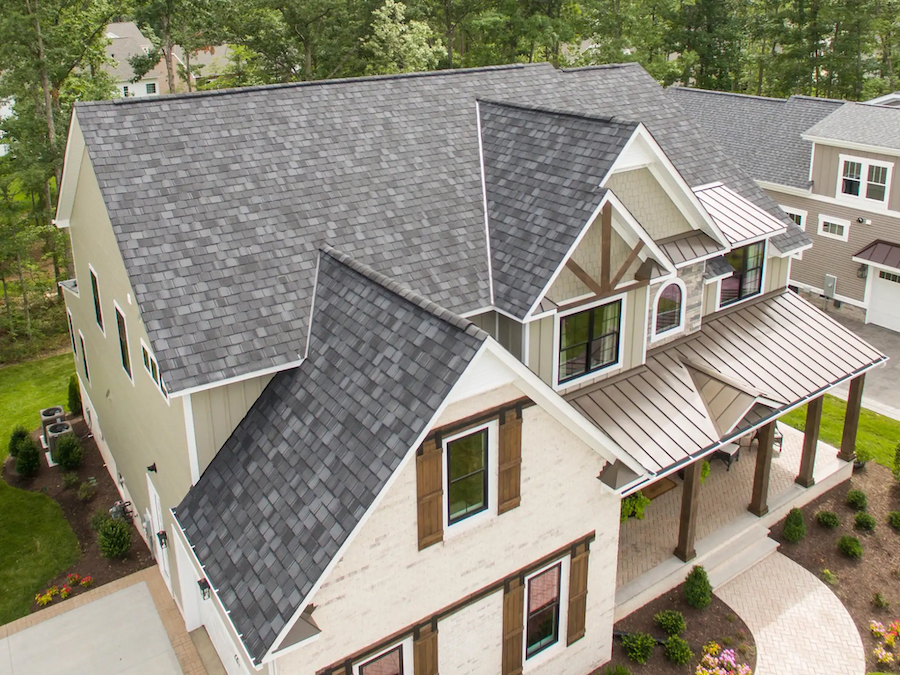
If you’re unsure whether your home’s ventilation is working as it should, a professional roof evaluation can provide clarity and peace of mind. Larry Haight’s Residential Roofing is here to help you protect your roof and your investment.
Call us today at 425-881-9771 or contact us online to schedule a comprehensive inspection. A quick evaluation today can prevent significant and costly issues tomorrow.
Why Roof Ventilation Matters
Effective roof ventilation helps preserve your home’s structure, supports energy efficiency, and extends the life of roofing materials. In the absence of proper airflow, excess heat and moisture become trapped in the attic, setting the stage for a variety of preventable problems.
According to the U.S. Department of Energy, effective attic ventilation helps reduce excess heat buildup, improves overall energy efficiency, and minimizes moisture-related issues that can damage insulation and roofing components. When hot air becomes trapped in the attic, cooling systems must work harder, increasing energy costs while accelerating roof material deterioration.
How Roof Ventilation Works
Attic ventilation relies on a balanced system: intake vents draw cooler outside air into the attic, while exhaust vents release hot, moist air. When these components work together, the attic remains dry, stable, and temperature-controlled.
Intake vs. Exhaust: Why Balance Matters
A properly functioning ventilation system includes:
- Intake vents (typically in soffits) to bring in fresh air
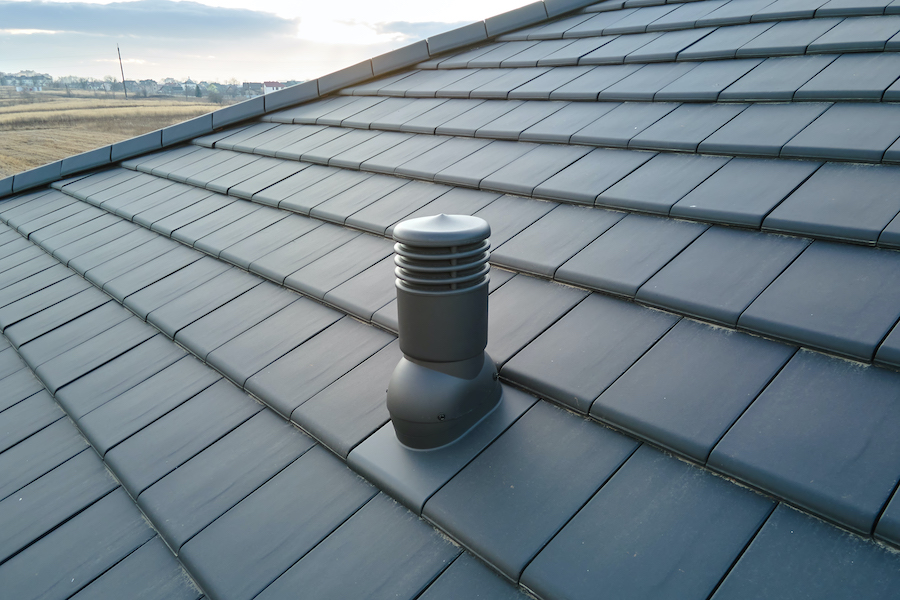
- Exhaust vents (ridge or static vents) to release heat and moisture
- Natural convection to encourage rising warm air to exit
- Continuous airflow to prevent heat and humidity buildup
Even premium materials like CertainTeed shingles and DaVinci composite shake roofing require proper ventilation to perform as designed and maintain manufacturer warranties.
Energy Efficiency Benefits
A well-ventilated attic reduces strain on heating and cooling systems, helping maintain consistent indoor temperatures. During warmer months, ventilation lowers cooling costs; in colder seasons, it helps limit moisture buildup and ice dam formation.
Material Protection
Proper ventilation helps prevent:
- Shingle overheating
- Premature aging
- Curling or blistering
- Underlayment deterioration
Without sufficient airflow, roofing materials can deteriorate from the inside out.
How to Identify Poor Roof Ventilation
Poor ventilation often presents subtle warning signs long before major damage occurs. Identifying these early can help homeowners avoid costly repairs or premature roof replacement.
Common Warning Signs of Ventilation Problems
1. Excessive Attic Heat
If your attic feels significantly hotter than outdoor temperatures, ventilation may be inadequate. A properly ventilated attic should be relatively close to ambient conditions—not 30–50 degrees hotter.
2. Condensation or Moisture
Moisture in the attic is a major red flag. Watch for:
- Damp rafters
- Water stains
- Condensation on nails
- Wet insulation
3. Mold or Musty Odors
Poor airflow creates ideal conditions for mold growth. Even mild odors warrant a professional inspection.
4. Ice Dams in Winter
Warm attic air can melt snow unevenly, leading to ice dams that cause:
- Shingle damage
- Gutter stress
- Interior leaks
5. Premature Roof Aging
Shingles may deteriorate faster than expected, showing signs such as:
- Curling
- Blistering
- Granule loss
- Cracking
6. High Energy Bills
When airflow is restricted, HVAC systems must work harder, often resulting in increased utility costs.
The Risks of Poor Roof Ventilation
Ignoring ventilation issues can lead to long-term damage that impacts your roof, home comfort, and overall safety.
Structural and Roofing Risks
Moisture Buildup
The U.S. Environmental Protection Agency (EPA) warns that excess moisture in enclosed spaces like attics promotes mold growth, which can spread into insulation and structural components if left unaddressed.
Roof Deck Rot
Moisture trapped beneath the roof deck can cause wood rot and compromise structural integrity. Signs of damage may include sagging areas, soft spots, or darkened wood.
Shingle Damage
Attic temperatures can reach 150–170°F, baking shingles from below and accelerating wear.
Comfort and Warranty Risks
The Asphalt Roofing Manufacturers Association (ARMA) explains that balanced ventilation helps protect shingle performance and prevent premature roof failure. Many manufacturers require proper ventilation to maintain warranty coverage.
Why Professional Roof Repair or Replacement Is Necessary
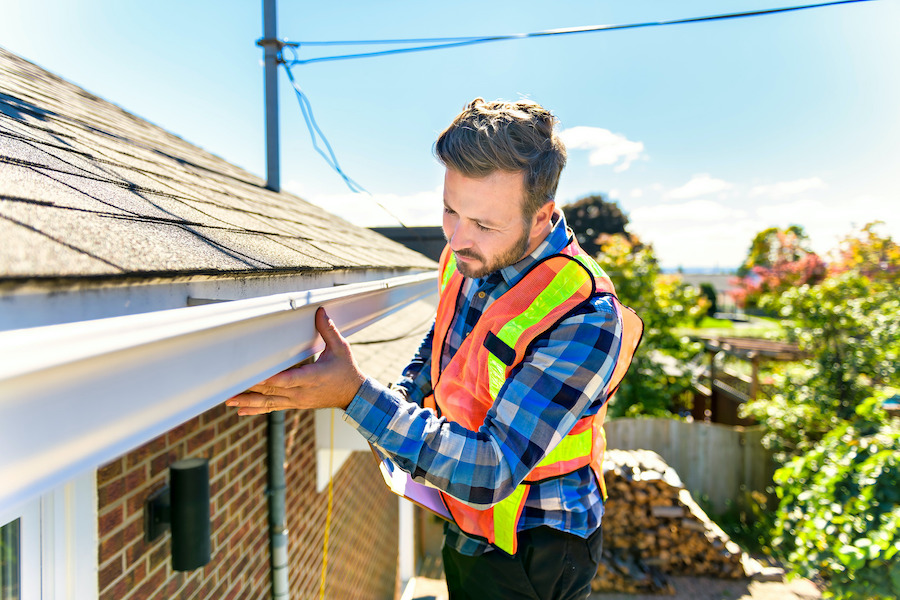
Ventilation issues are rarely obvious. A professional roof assessment helps identify airflow imbalances and determine whether repair or replacement is the best solution.
What Professionals Look for During an Inspection
- Vent type and placement
- Balanced intake and exhaust airflow
- Moisture-damaged insulation
- Deteriorated decking
- Blocked or ineffective vents
How Larry Haight’s Residential Roofing Helps Protect Your Home
As part of our residential roofing services, we help identify ventilation-related issues that may lead to:
- Excess attic heat
- Moisture buildup
- Premature shingle wear
- Reduced roof lifespan
When damage is present, we provide:
- Roof repairs
- Roof replacement
- Storm restoration services
- Durable materials for Washington’s climate
- Helpful homeowner resources
Schedule Your Roofing Ventilation Inspection Today
Proper roof ventilation protects your home, improves energy efficiency, and extends roof lifespan. Whether you’re seeing warning signs or simply want peace of mind, Larry Haight’s Residential Roofing is ready to help.
Call 425-881-9771 or contact us online today to schedule your inspection or request a free estimate.
FAQ: Why Roofs Need Proper Ventilation
Q: Why do roofs need proper ventilation?
A: Proper ventilation regulates attic heat and moisture, helping protect roofing materials, reduce energy costs, and extend roof life.
Q: What are signs of poor roof ventilation?
A: Excess attic heat, moisture, mold odors, ice dams, rising energy bills, and premature shingle wear are common indicators.
Q: Can poor ventilation damage a roof?
A: Yes. Trapped heat and moisture can accelerate shingle deterioration, weaken decking, and void warranties.
Q: How can I tell if my roof ventilation is adequate?
A: A professional roof evaluation is the most reliable way to assess ventilation performance.
Q: Can ventilation issues be addressed during roof repair or replacement?
A: In many cases, yes. Addressing ventilation during roofing work helps prevent future problems.