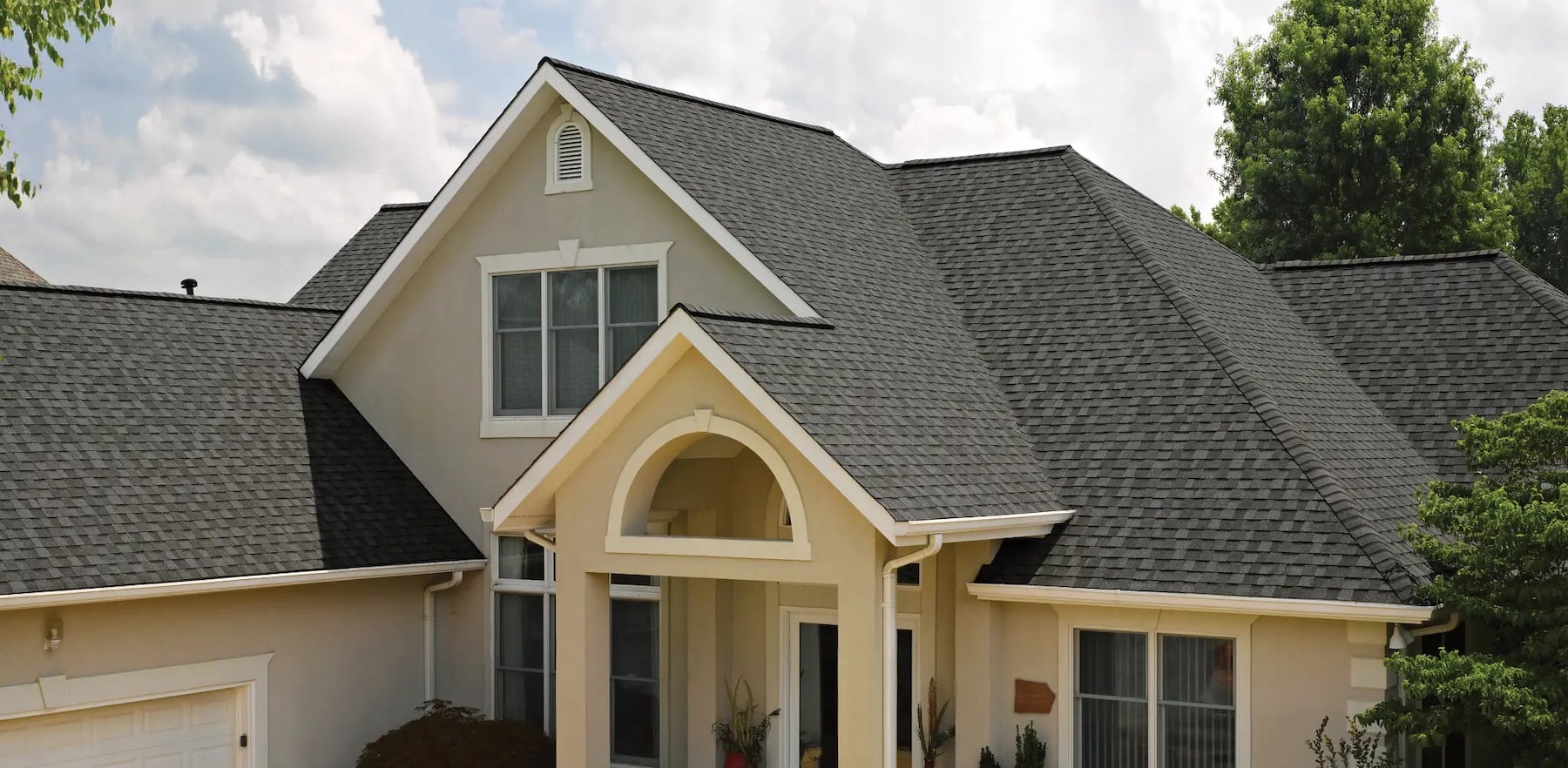
Roof design is one of the most overlooked—and most important—parts of a residential roofing system. At Larry Haight’s Residential Roofing Company, your trusted roofing contractor in Redmond, WA, we regularly meet homeowners who aren’t sure what roof style they have—or how that shape impacts drainage, durability, and long-term maintenance.
This guide breaks down the most common roof designs in and around Redmond, explains how each performs in the wet, windy Pacific Northwest climate, and helps you make confident decisions when it’s time to repair, replace, or upgrade your roof.
If you’re unsure what roof design you have—or whether it’s performing the way it should—a professional evaluation can provide clarity and peace of mind. Call 425-881-9771 or contact us online to schedule a consultation.
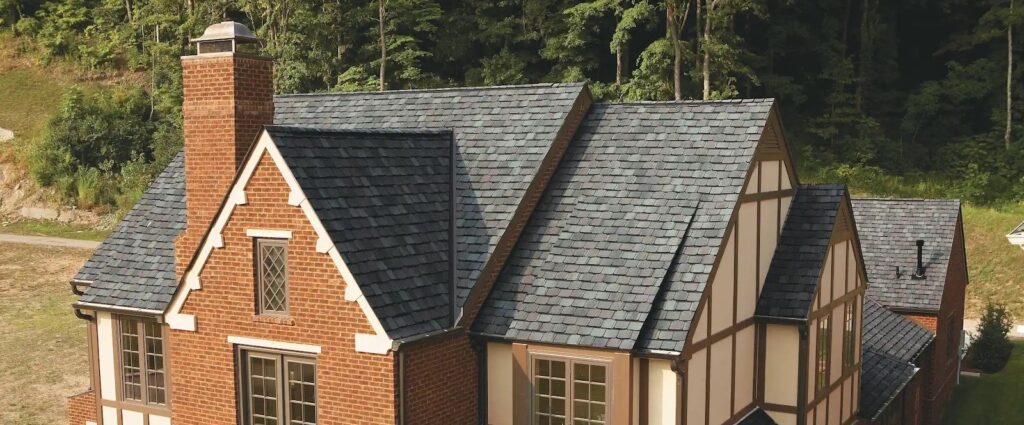
Why Roof Design Matters in Redmond, WA
Your roof’s geometry affects more than curb appeal. In a region with heavy rainfall, tree debris, and moss-friendly conditions, roof design influences:
- Water drainage and leak prevention
- Wind resistance and uplift protection
- Attic ventilation and moisture control
- Energy efficiency and indoor comfort
- Maintenance needs and long-term cost
A roof design that performs well in dry climates may struggle in the Pacific Northwest if drainage, flashing, and ventilation aren’t planned correctly. The solution lies in having clear, reliable information paired with proven local expertise.
How Roof Designs Work
Roof shapes are built around two key performance factors:
Slope and Drainage
Steeper slopes shed water and debris more easily. Lower slopes require upgraded waterproofing systems and dependable drainage paths.
Transitions and Penetrations
Most roof leaks don’t happen in the “field” of the roof—they happen at valleys, dormers, transitions, skylights, chimneys, and flashing points. The more complex the geometry, the more important expert detailing becomes.
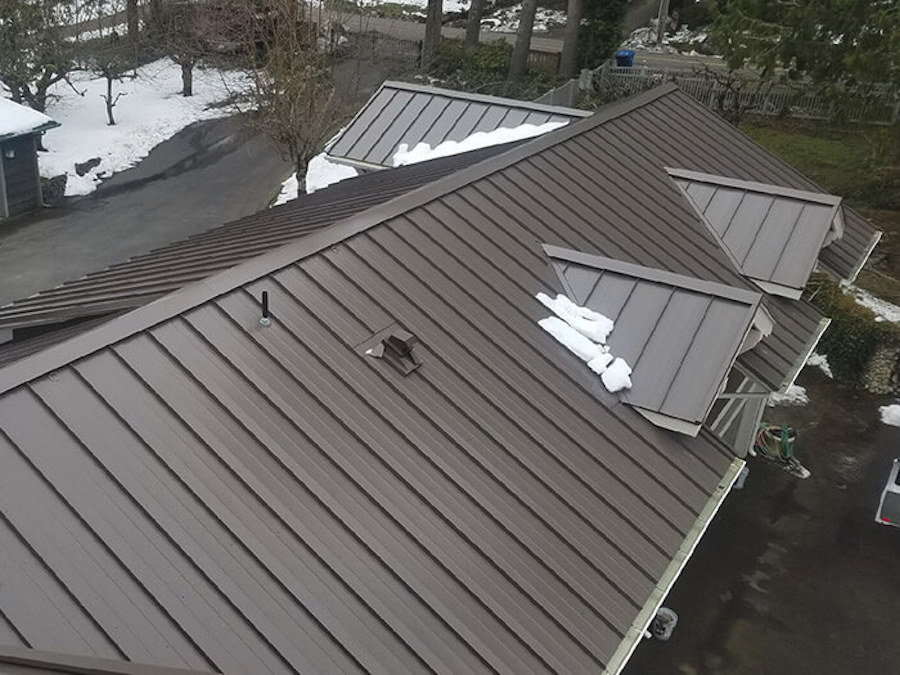
Common Roof Designs in Redmond and How They Perform
Below are the roof styles we see most often locally, along with practical pros/cons for Redmond homeowners.
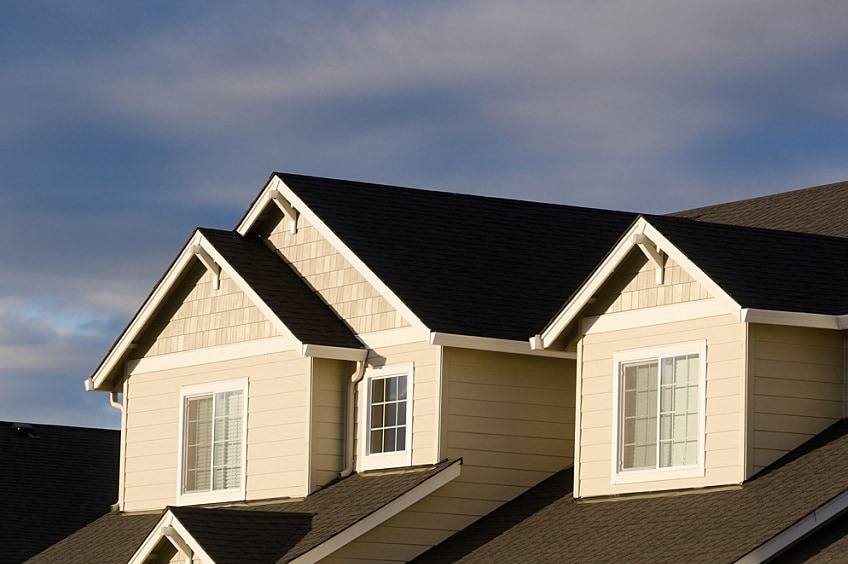
1. Gable Roof
Recognized by its triangular profile, the gable, or “peaked” roof, features two sloping sides meeting at a ridge, creating high-pointed end walls.
- Pros: Efficient water and snow shedding, cost-effective construction, ample attic space, and straightforward ventilation.
- Cons: The exposed end walls may act like sails in strong winds, necessitating good bracing and secure shingles.
- Best Materials for Redmond: Architectural asphalt shingles, composite slate, or wind-resistant cedar shakes.
Haight’s take: Gable roofs are prevalent in Redmond due to their affordability and excellent performance in rain. Ridge vents are often recommended to optimize moisture escape from attics.
Gable Asphalt Roof Design
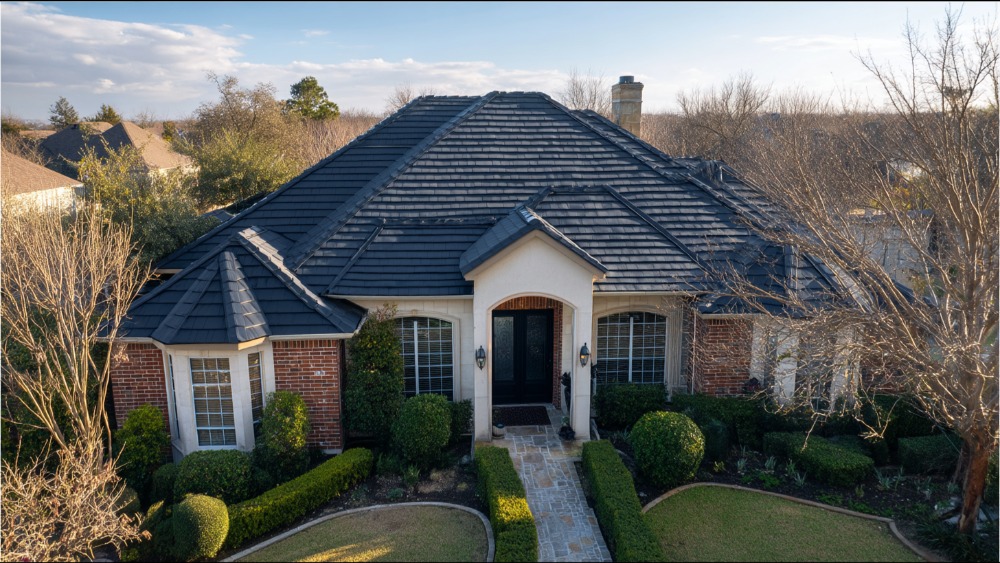
2. Hip Roof
This roof design slopes down on all four sides, meeting at the corners, unlike the gable roof.
- Pros: Superior wind resistance, consistent eave overhangs for rain protection, and a compact shape that reduces uplift.
- Cons: More complex framing leads to higher labor costs; ventilation requires extra planning.
- Best Materials for Redmond: Durable laminate asphalt shingles, composite shake, or metal for longevity.
Haight’s take: In Redmond’s tree-lined neighborhoods, hip roofs efficiently prevent debris from accumulating. Balanced ventilation is crucial given the uniform sloping design.
Hip Design Roof Type
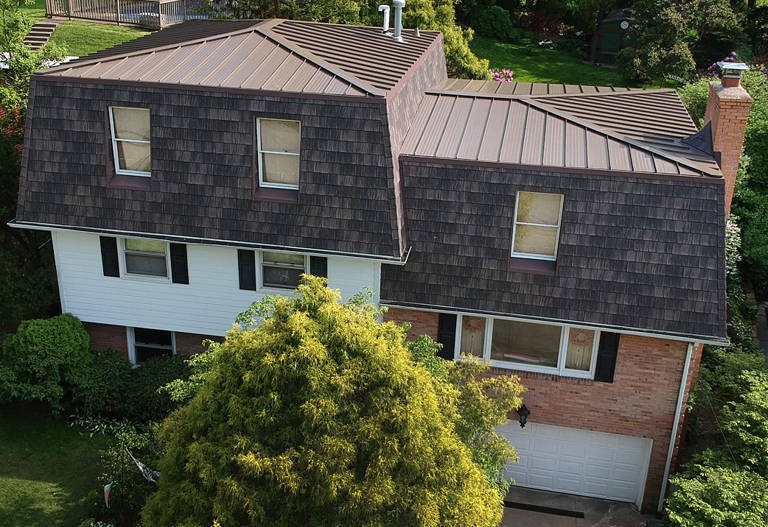
3. Mansard Roof
Featuring two slopes on each side, the lower slope is steep, while the upper is nearly flat.
- Pros: Ideal for luxurious attic or living spaces, exudes European charm, and allows for full-height dormer windows.
- Cons: The flat upper deck may pool water, necessitating high-quality waterproof membranes; construction tends to be costly.
- Best Materials for Redmond: Standing-seam metal for upper sections and decorative synthetic shakes for lower sections.
Haight’s take: Mansard roofs unlock additional living space and curb appeal. Emphasis is placed on robust waterproofing with ice-and-water shields and metal flashing to prevent leaks.
Mansard Design Roof Type
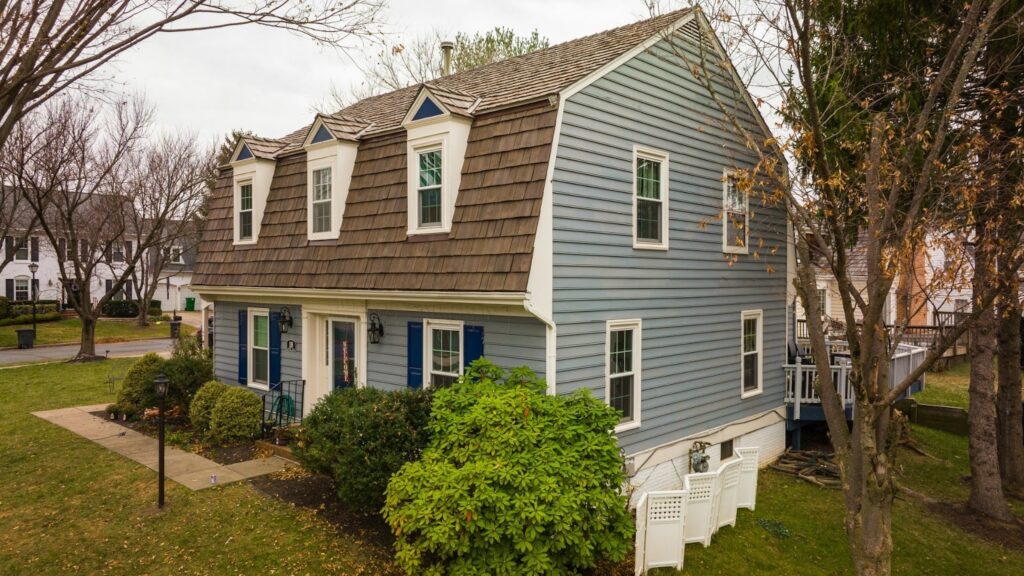
4. Gambrel Roof
Similar to the mansard but with only front and back slopes; often associated with barn appearances.
- Pros: Maximizes interior volume, offers classic Americana aesthetics, and is typically more cost-effective than a mansard.
- Cons: Open gable ends face wind pressure, requiring kneewall bracing.
- Best Materials for Redmond: Cedar shake or synthetic shake complements the surrounding rural-suburban landscape.
Haight’s take: Gambrel roofs are popular in hobby farms near Redmond. Ensuring proper valley metal and drip edges helps manage moss growth.
Gambrel Roof Design Type
5. Flat Roof
More accurately termed “low-slope,” flat roofs are common on modern homes and commercial buildings.
- Pros: Offers a clean, contemporary look with usable rooftop space for gardens or solar panels.
- Cons: Requires exceptional waterproofing, insulation, and maintenance to prevent water ponding.
- Best Materials for Redmond: TPO, PVC, or modified bitumen are recommended for their seam integrity.
Haight’s take: Modern homes in Redmond are adopting flat roofs. Regular maintenance is vital to prevent drain clogs from leaves and other debris.
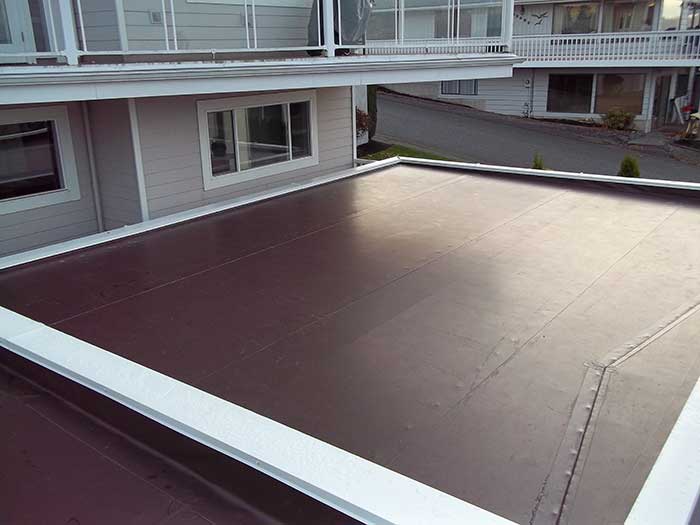
Flat Roof Design Type
6. Shed Roof
Comprising a single sloping plane, shed roofs are found on modern homes, additions, and studios.
- Pros: Simple framing, fast installation, and impressive cathedral ceilings.
- Cons: Requires focused drainage solutions and robust high-side flashing.
- Best Materials for Redmond: Standing-seam metal or upscale asphalt shingles with specific starter strips.
Haight’s take: We recommend reinforcing gutter hangers on shed roofs as water velocity increases on a single slope.
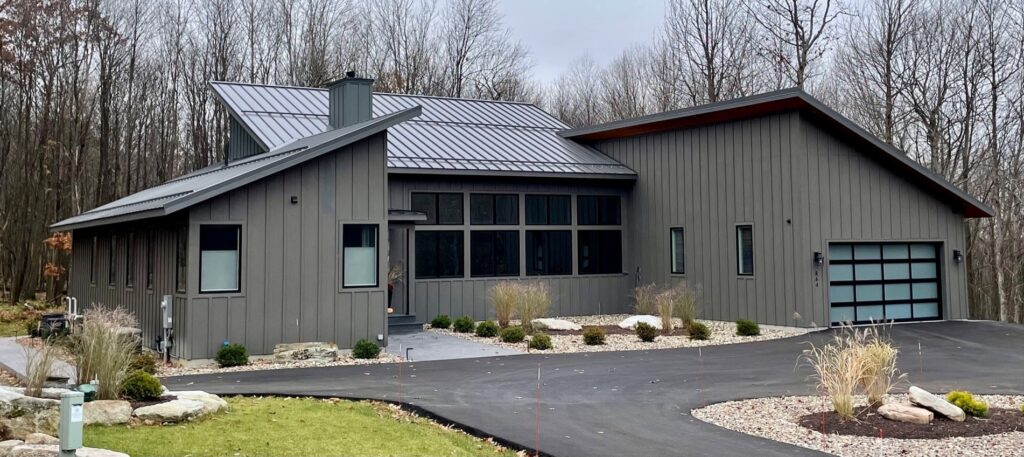
Shed Design Roof Type
7. Butterfly Roof
This V-shaped design highlights two roof panels sloping toward the center, perfect for mid-century modern homes.
- Pros: Maximizes natural light, aids rainwater harvesting, and offers distinctive architecture.
- Cons: Central valleys collect debris, making maintenance essential.
- Best Materials for Redmond: High-grade single-ply membranes with efficient internal drains.
Haight’s take: Our drone inspections can preemptively address clogs before they cause leaks. A dedicated maintenance routine is critical.
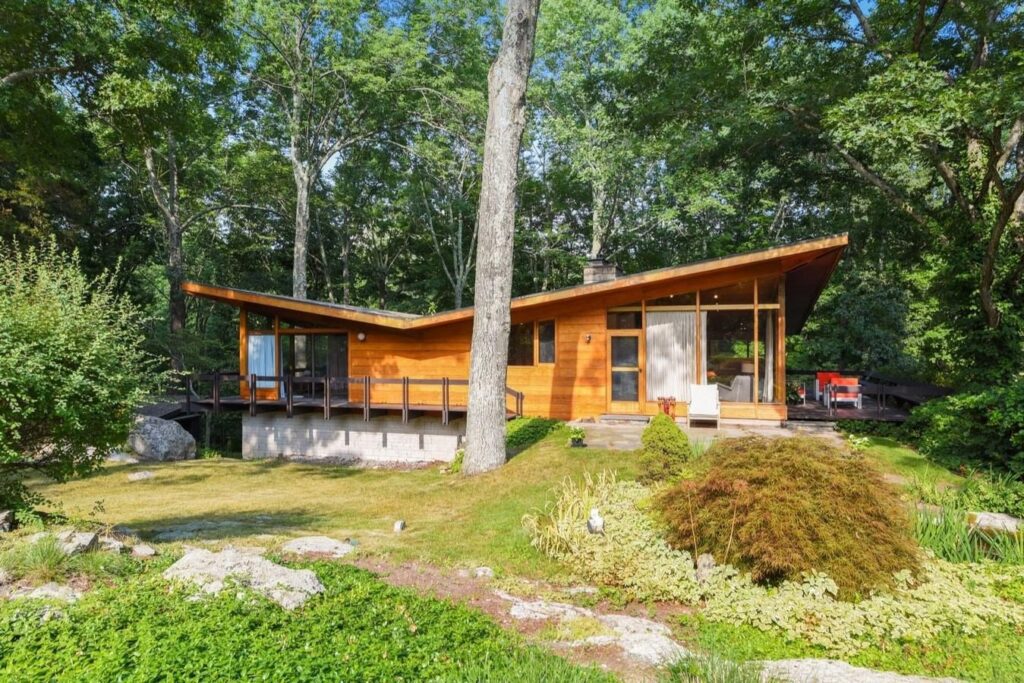
Butterfly Roof Design Type
8. Dormer Roof Elements
Rather than a standalone design, dormers are projections adding space, windows, and ventilation.
- Pros: Introduces daylight into attics, adds architectural charm, and enhances resale value.
- Cons: Presents multiple flashing challenges where leaks may occur.
- Best Materials for Redmond: Compatible with main roof materials, requiring well-fitted step flashing.
Haight’s take: Expertly installed step and counter-flashing ensures dormer additions are seamless and leak-free.
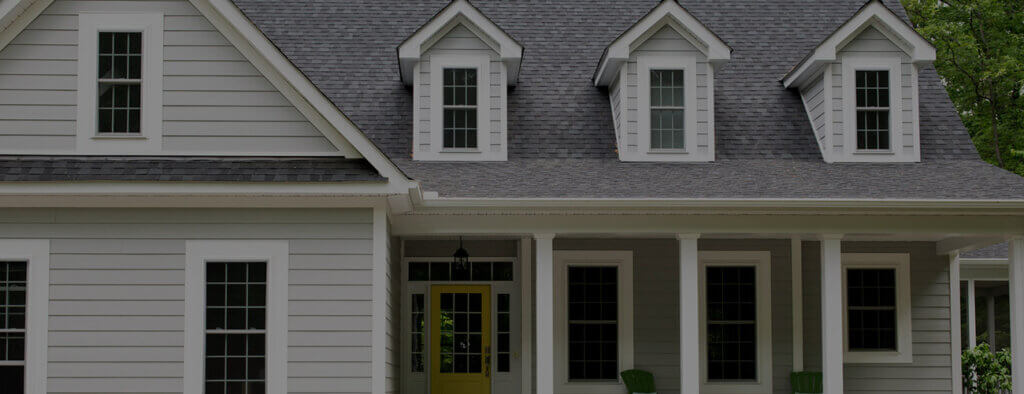
Dormer Roof Design type
9. Combination Roof
Many homes combine roof styles like gable and hip segments to create unique architectural solutions.
- Pros: Facilitates creative designs and solves spatial challenges effectively.
- Cons: Transition areas can be prone to leaks without expertise.
- Best Materials for Redmond: Versatile composite shingles are ideal for precise cuts around ridges and hips.
Haight’s take: We carefully map out transitions and deliver custom flashing for perfect integration and waterproofing.
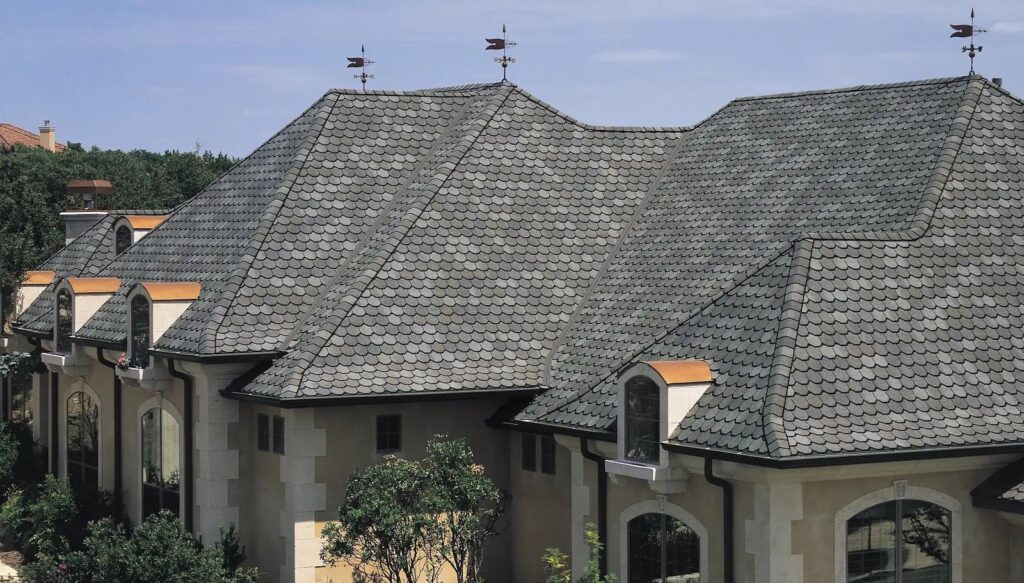
Combination Roof Design Type
10. Bonnet Roof
This design looks like a hip roof with an elongated lower slope, offering extra eave protection.
- Pros: Efficient rain runoff and appealing shade for outdoor spaces.
- Cons: Complex framing leads to higher costs, and extended eaves may need additional support.
- Best Materials for Redmond: Composite shakes or metal panels with non-exposed fasteners to combat environmental elements.
Haight’s take: Perfect for lakeside homes, bonnet roofs can be complemented by cedar accents and breathable underlayments for waterfront conditions.
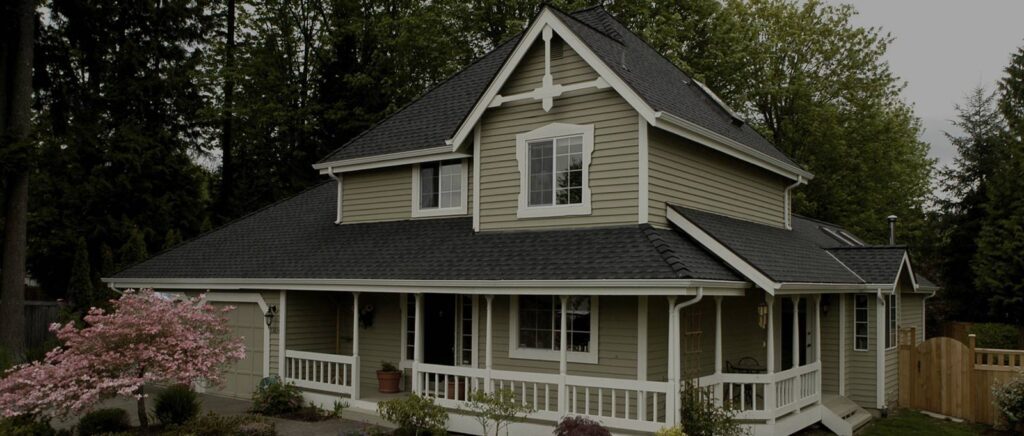
Bonnet Roof Design Type
Navigating Your Roof Design Choices for Your Redmond, WA Home
Residential roof geometry greatly impacts not just your home’s aesthetic appeal but its durability and energy efficiency as well. In Redmond, where moss thrives and precipitation is common, choosing an inappropriate design or failing with installation precision can lead to leaks and repairs. In contrast, making an informed choice ensures peace of mind and boosts property value.
With over three decades of experience, Larry Haight’s Residential Roofing Company merges national best practices with local expertise. As an Owens Corning Preferred Contractor, our crew is proficient in both steep and low-slope solutions, and we commit to excellence whether reshaping a gable or crafting complex roofs with multiple dormers.
The Journey from Uncertainty to Confidence in Roof Ownership
Imagine transforming from a homeowner uncertain about roof types, anxious over potential leaks and energy costs, to a well-informed steward of one of your home’s most vital protective elements. By partnering with Larry Haight’s Residential Roofing Company, you gain a clear understanding of your roof design, complete with a tailored plan using premium materials suited for Pacific Northwest conditions and a maintenance schedule that ensures worry-free enjoyment, rainy day or otherwise.
Ready for your next step? Call 425-881-9771 or contact us online and schedule a free consultation.
Frequently Asked Questions About Roof Designs in Redmond, WA
Q: What is the most common roof design for homes in Redmond, WA?
A: Gable and hip roofs are the most common roof designs in Redmond. Both perform exceptionally well in the Pacific Northwest’s rainy climate. Gable roofs are cost-effective and shed water efficiently, while hip roofs offer superior wind resistance—an important consideration in stormy conditions.
Q: Which roof design is best for heavy rain and moss growth?
A: Roofs with good slope and drainage—such as gable, hip, and shed roofs—are best for managing Redmond’s frequent rain and reducing moss buildup. Proper ventilation, quality underlayment, and regular maintenance are just as important as the roof shape itself.
Q: Is it possible to combine multiple roof designs on one home?
A: Yes, many homes in Redmond feature combination roofs that blend gable, hip, dormer, or shed elements. These designs add architectural interest but require expert planning and custom flashing to ensure long-term waterproofing.
Q: What roof design offers the best wind resistance?
A: Hip roofs are generally the most wind-resistant because all sides slope downward, reducing wind uplift. Bonnet roofs and combination roof designs can also perform well when engineered and installed by an experienced local contractor.