
When it’s time to replace your roof, one of the first decisions you may face is 3-tab vs architectural shingles. Both are asphalt roofing products designed to protect your home from rain, wind, and other elements. These products do differ in their construction, appearance, performance, and cost.
So, which type is better?
For many homeowners, architectural shingles offer advantages that make them the preferred choice for a long-term roof replacement. However, 3-tab shingles can still make sense in certain situations, particularly when keeping the initial project cost as low as possible is a priority.
Choosing the right shingles is only one part of planning a roof replacement. For homes in Redmond, WA, and nearby communities, homeowners also need to think about how their roofing system will perform through wet weather, changing seasons, and years of exposure. With more than four decades of experience serving local homeowners since 1985, Larry Haight’s Residential Roofing understands the importance of matching each home with the right materials and installation approach. Whether you’re comparing 3-tab and architectural shingles or preparing for a complete roof replacement, our team can help you weigh your options and make a decision with confidence.
If you’re replacing a roof and aren’t sure which shingles are right for your home, Larry Haight’s Residential Roofing Company can help. Call 425-881-9771 or contact us online to schedule a free roofing estimate and discuss your options with an experienced local roofing contractor.
What Are 3-Tab Shingles?
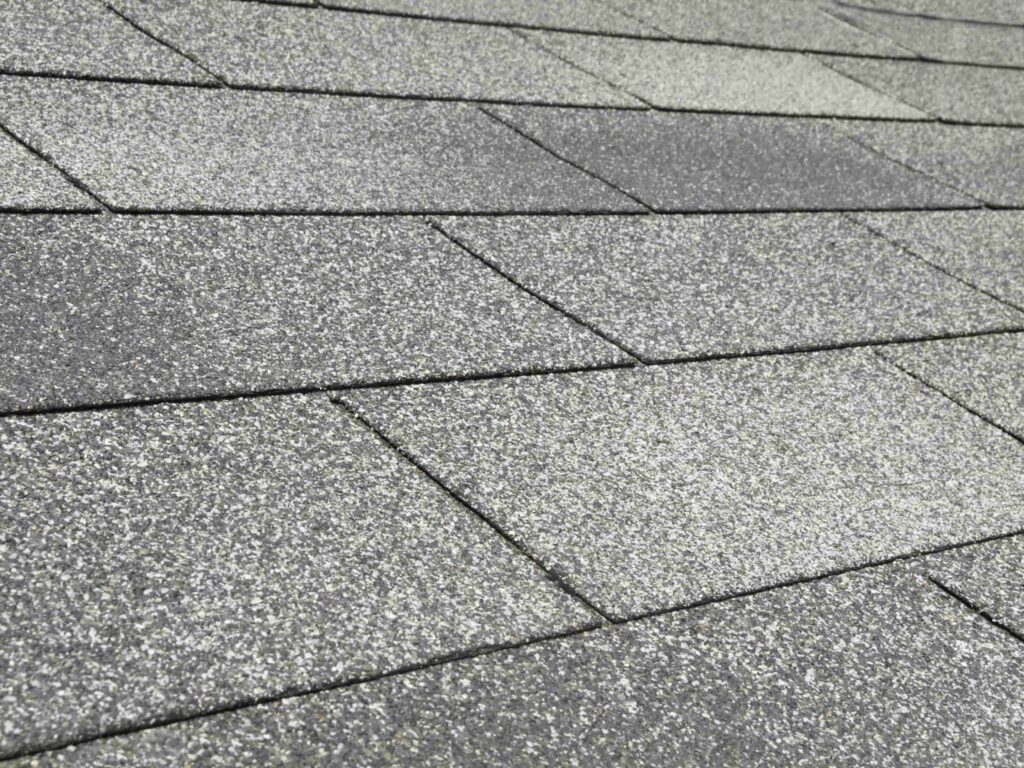
3-tab shingles are a traditional type of asphalt shingle. They are called “3-tab”
because each shingle has three evenly sized tabs along its exposed edge, creating a uniform, repeating pattern across the roof.
They are generally considered the
simpler and more economical type of asphalt shingle.
One advantage of 3-tab shingles is their straightforward appearance. The flat, consistent pattern can work well on homes where a simple roof design is preferred.
However, 3-tab shingles generally provide fewer visual and performance features than many of today’s architectural shingle products.
What Are Architectural Shingles?
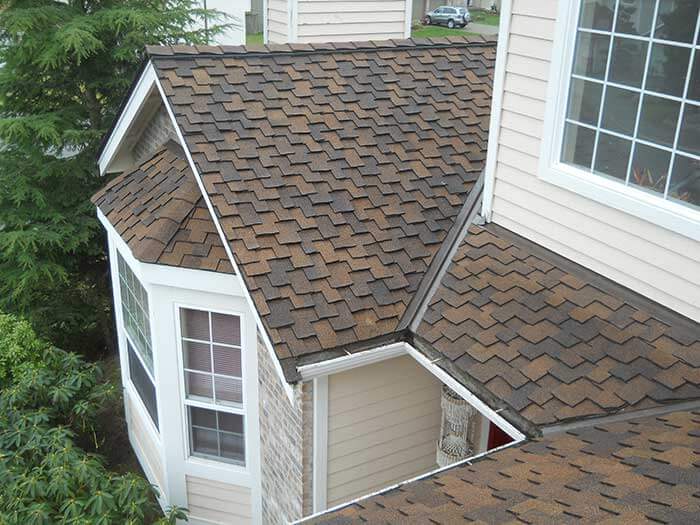
 Architectural shingles, also called dimensional or laminated shingles, are made with multiple layers that are fused together. The layered construction gives the roof more depth and dimension rather than creating a flat, repetitive appearance.
This dimensional appearance has become increasingly popular among homeowners because it can give a roof a more substantial, high-end look.
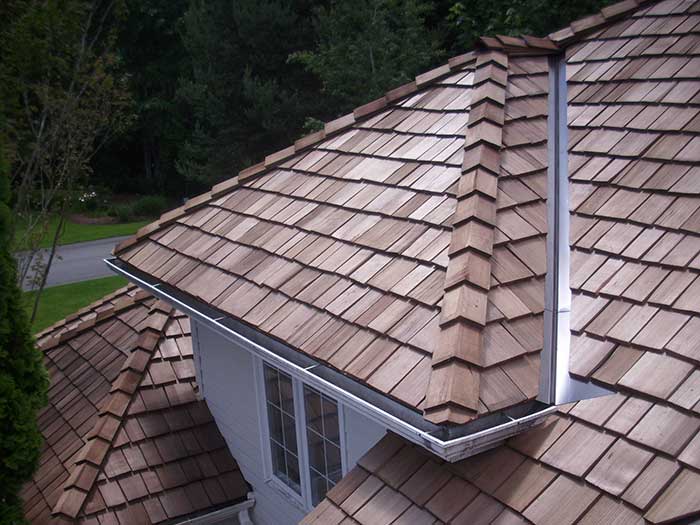
Architectural shingles are also available in a wide range of colors and styles. For instance, some shingles can replicate the appearance of wood shakes or other premium roofing materials without requiring the same level of maintenance.
Thickness, warranty terms, wind ratings, impact resistance, algae protection, and installation requirements can all differ between products.
What’s the Difference?
The biggest differences come down to construction, appearance, cost, durability, and available performance features.
| Feature | 3-Tab Shingles | Architectural Shingles |
| Construction | Single-layer design | Multiple laminated layers |
| Appearance | Flat and uniform | Dimensional and textured |
| Initial cost | Generally lower | Generally higher |
| Design options | More limited | Wider variety |
| Wind performance | Depends on product | Often available with higher-performance specifications |
| Warranty | Varies by product | Varies by product; many have longer limited warranties |
| Long-term value | Budget-focused | Often better suited to long-term ownership |
These are general differences, not guarantees. The specifications of the particular shingle you choose should always be reviewed before making a final decision.
Cost
One of the biggest reasons homeowners consider 3-tab shingles is their lower initial cost.
If your primary goal is to complete a roof replacement for the lowest possible upfront price, 3-tab shingles may be worth considering. However, the least expensive roofing material isn’t necessarily the best value over the life of the roof.
For example, architectural shingles may provide:
- A more premium appearance
- More design choices
- Access to higher-performance product lines
- More substantial-looking roof coverage
The cheapest roofing material isn’t necessarily the best value.
Additionally, average roof costs in Western Washington can vary depending on the size and complexity of the roof, the materials selected, the condition of the existing roofing system, and the work required for proper installation.
If you’re planning to remain in your home for many years, spending more upfront on a roofing system that better meets your needs may make sense.
Lifespan and Warranty
Roof longevity depends on:
- The specific shingle product
- Installation quality
- Ventilation
- Roof slope and design
- Weather exposure
- Maintenance
- Moisture management
Architectural shingles also come with different warranty terms depending on the manufacturer and product line.
Don’t choose a shingle based only on a “25-year” or “30-year” label. Warranty terms can vary significantly, including what is covered, how long coverage lasts, and what limitations apply.
Ask what the warranty covers, how long different types of coverage last, what installation requirements apply, and what exclusions exist.
How Do 3-Tab and Architectural Shingles Handle Wind?
Wind resistance is another important consideration when comparing asphalt shingles.
Wind performance depends on the specific shingle, testing classification, installation method, fastening, roof design, and other factors.
That means homeowners should look at the actual specifications for the shingle being proposed rather than relying on a general statement about an entire category of shingles.
Washington’s residential building code requires asphalt shingles to meet applicable wind-resistance standards, including ASTM D7158 or, for certain products, ASTM D3161.
Architectural shingles do have a construction advantage in many product lines because their laminated design creates a thicker, more substantial shingle.
For a homeowner, the practical question isn’t simply “Which type is stronger?” It is: Which specific roofing system is appropriate for my home and local conditions?
Appearance:
If the appearance of the roof matters to homeowners, architectural shingles generally have the advantage.
3-tab shingles create a clean, repetitive pattern.
Architectural shingles create a more varied appearance because their multiple layers produce shadows and visual depth. They also tend to provide more options for homeowners who want to coordinate the roof with siding, trim, brick, stone, or other exterior features.
If you’re investing in a complete roof replacement, choosing a shingle style that complements the architecture of the house can make the finished project look more intentional and substantial.
Which Shingles Are Best for Washington Homes?
Washington homeowners have a few additional factors to consider when choosing roofing materials.
The Puget Sound region is known for frequent rain and damp conditions. Homes surrounded by trees or shaded areas can also experience moss and algae growth.
Washington’s wet climate makes moisture management an important part of maintaining a healthy home. Roof leaks and persistent moisture can contribute to mold growth inside a building.
Both 3-tab and architectural asphalt shingles can be used on residential roofs, but choosing the right product is only part of the equation.
A properly installed roofing system should include:
- Quality shingles
- Appropriate underlayment
- Proper flashing
- Adequate ventilation
- Correct fastening
- Proper drainage
- A sound roof deck
For homeowners in the Pacific Northwest, that makes choosing an experienced local roofing contractor especially important.
Are Architectural Shingles Worth the Extra Cost?
For many homeowners, yes.
If you’re planning to stay in your home for many years, want a more dimensional appearance, and are willing to make a larger upfront investment, architectural shingles can offer an attractive combination of aesthetics and performance.
They aren’t automatically the right choice for every homeowner, though.
A 3-tab shingle may make sense if:
- Your primary concern is minimizing upfront cost.
- You’re working with a particularly tight roofing budget.
- The property is an investment where the lower initial cost is important.
- The available 3-tab product meets your performance and code requirements.
- You prefer the simple, uniform appearance.
Architectural shingles may make more sense if:
- You plan to remain in your home long term.
- You want more curb appeal and design options.
- You prefer a more dimensional roof appearance.
- You want to compare higher-performance shingle systems.
- You’re willing to invest more upfront for additional features and options.
The right answer depends on your home, budget, roof design, and long-term plans.
3-Tab vs Architectural Shingles: Which Should You Choose?
For most homeowners replacing the roof on a long-term residence, we would recommend taking a close look at architectural shingles.
That doesn’t mean 3-tab shingles are a bad roofing product. They remain a practical option for homeowners who prioritize upfront affordability and have a product that meets their needs.
However, architectural shingles offer more choices when it comes to appearance and performance, and many homeowners prefer the finished look.
More importantly, don’t make your decision based on the shingle alone.
A quality roofing system includes the shingles, underlayment, flashing, ventilation, fasteners, roof deck, and professional installation.
Larry Haight’s Residential Roofing Company has been serving the Puget Sound area since 1985. Our team understands the conditions local roofs face and can help you compare roofing materials based on your home’s design, condition, budget, and long-term goals.
Frequently Asked Questions About 3-Tab vs Architectural Shingles
1. Are architectural shingles better than 3-tab shingles?Are 3-tab shingles cheaper than architectural shingles?
Generally they are cheaper. 3-tab shingles are typically positioned as a more economical asphalt roofing option, while architectural shingles generally have a higher material cost.
2. How long do architectural shingles last?
There is no single lifespan that applies to every architectural shingle. Manufacturer specifications, installation quality, climate, maintenance, roof design, and weather exposure all affect longevity. Review the specific product’s warranty and specifications.
3. Can you replace 3-tab shingles with architectural shingles?
Yes. Architectural shingles can be used for many residential roof replacement projects, provided the roofing system and product are appropriate for the home’s roof design and applicable building requirements.
4.Are architectural shingles good for Washington weather?
Architectural shingles can be a good choice for Washington homes. Because the Pacific Northwest has significant moisture exposure, proper ventilation, drainage, flashing, maintenance, and installation are important parts of overall roof performance.
Get Help Choosing the Right Roofing Shingles
Choosing between 3-tab vs architectural shingles doesn’t have to be complicated. The best roofing material is the one that fits your home’s needs, your budget, your aesthetic preferences, and your plans for the property.
If you’re considering a roof replacement in Redmond, Seattle, or the surrounding King and Snohomish County areas, the team at Larry Haight’s Residential Roofing Company can help you evaluate your options.
Don’t guess at what your roof needs. Contact Larry Haight’s Residential Roofing Company today to schedule a free estimate and get professional recommendations for your home.