If you’re wondering, does homeowners insurance cover roof repairs, the answer depends largely on what caused the damage.
Homeowners insurance may help pay for roof repairs or even a roof replacement when the damage results from a covered event, such as wind, hail, fire, or a fallen tree. However, insurance generally does not cover problems caused by normal wear and tear, aging, neglect, or a lack of maintenance.
If your roof has recently been damaged, don’t wait for a small problem to become a major one.
Larry Haight’s Residential Roofing can inspect your roof, identify the extent of the damage, and help you determine what repairs may be necessary. Schedule a free estimate to get a professional assessment or call 425-881-9771.
Does Homeowners Insurance Cover Roof Repairs?
Yes, homeowners insurance can cover roof repairs when the damage comes from a covered event.
The National Association of Insurance Commissioners‘ homeowners insurance guidance states that policies generally cover damage caused by specific perils listed in the policy.
Common examples can include:
- Windstorm damage
- Hail damage
- Fire
- Lightning
- Damage from a falling tree or other object
- The weight of snow or ice, depending on the policy
That does not mean every damaged roof automatically qualifies for an insurance claim. Your policy’s exclusions, limits, deductible, roof coverage terms, and the cause of the damage all matter.
What Roof Damage Does Homeowners Insurance Cover?
The key difference is usually sudden damage versus gradual damage.
If a covered event suddenly damages your roof, your insurance company may help pay for repairs or replacement, depending on the circumstances.
Does Homeowners Insurance Cover Storm Damage?
If a storm has recently passed through your area, look for warning signs such as:
- Missing or displaced shingles
- Damaged flashing
- Visible cracks or punctures
- Dents or impact marks
- Fallen branches on the roof
- Water stains on ceilings or walls
- New leaks in the attic or living space
Wind and hail are common causes of roof damage that may be covered by homeowners insurance. However, coverage varies by policy. Some policies may have special deductibles or exclusions for certain types of storm damage.
A professional roof inspection can help determine whether damage occurred and what repairs may be appropriate.

Does Homeowners Insurance Cover Roof Leaks?
It can, depending on what caused the leak.
For example, if hail or wind damages your roofing system and rain subsequently enters the home, your policy may cover eligible roof repairs and certain resulting interior damage.
On the other hand, if a roof has been slowly deteriorating for years insurance generally will not pay to fix the underlying problem.
If you notice water entering your home, addressing the problem quickly is important regardless of whether you plan to file an insurance claim. Taking prompt steps to fix issues such as fixing a leaky roof can mitigate smaller issues until a full repair can be made.
When Does Homeowners Insurance Not Cover Roof Repairs?
Understanding exclusions is just as important as understanding what your policy covers.
Homeowners insurance generally does not cover roof damage resulting from normal aging, deterioration, or preventable maintenance problems.
Common exclusions may include:
Wear and Tear
Roofing materials naturally deteriorate over time. Shingles can become brittle, lose protective granules, and eventually reach the end of their useful life.
Insurance is generally not intended to pay for replacing a roof simply because it has become old.
Lack of Maintenance
Homeowners are responsible for maintaining their roofs. If damage develops because a homeowner ignored an ongoing problem, failed to address known deterioration, or did not perform reasonable maintenance, an insurance claim may be denied.
Regular inspections and timely repairs can help identify problems before they become more expensive.
Flooding and Earthquakes
Standard homeowners insurance generally does not cover flood or earthquake damage. Separate insurance policies or endorsements may be necessary for these risks.
Pests, Animals, or Long-Term Moisture
Damage caused by animals, pests, rot, or long-term moisture problems is also commonly excluded, particularly when the problem developed gradually rather than from a sudden covered event.
Because every policy is different, homeowners should review their policy or contact their insurance provider before assuming a particular type of damage is covered.
How Does the Age of Your Roof Affect an Insurance Claim?
Roof age can play an important role in how an insurance claim is handled.
An older roof may be more susceptible to deterioration and may have different coverage terms than a newer roof. Some policies may limit coverage for older roofing systems or calculate payments differently depending on the roof’s age and condition.
This is one reason it is helpful to keep records related to your roof, including:
- The approximate installation date
- Roofing material and manufacturer
- Previous repair records
- Inspection reports
- Photos showing the roof’s condition
- Receipts and documentation for completed work
Having this information available can make it easier to explain the roof’s history if you need to file a claim.
If you’re unsure whether your roof is approaching the end of its useful life, a professional inspection can help.
 Actual Cash Value vs. Replacement Cost for Roof Insurance
Your insurance policy may also determine how much your insurer will pay.
Two terms you may see are:
Actual Cash Value (ACV): The value of the damaged roof after depreciation is taken into account.
Replacement Cost Value (RCV): The cost to replace the damaged property with comparable materials, subject to the policy’s terms and deductible.
For example, suppose a covered storm damages an older roof and the replacement cost is $15,000. Under an actual cash value policy, depreciation could reduce the amount the insurer pays. Under replacement cost coverage, the eligible payment may be closer to the cost of replacement, subject to the policy’s conditions and deductible.
The exact calculation varies by policy, so your insurance provider is the best source for determining how your roof is covered.
What Should You Do After Roof Damage?
If you believe your roof has been damaged by a storm or another potentially covered event, take action promptly.
1. Document the Damage
Once it is safe, take photos or videos of visible damage. Document damaged roofing materials as well as any water damage inside the home.
Do not put yourself at risk by climbing onto a damaged roof.
2. Prevent Further Damage
If water is entering your home, take reasonable steps to minimize additional interior damage. Keep receipts for emergency services or temporary repairs, as your insurance company may request documentation.
3. Contact Your Insurance Company
Contact your insurer to understand whether the damage may be covered and what steps are required to file a claim.
Your insurance company may send an adjuster to inspect the property and evaluate the damage.
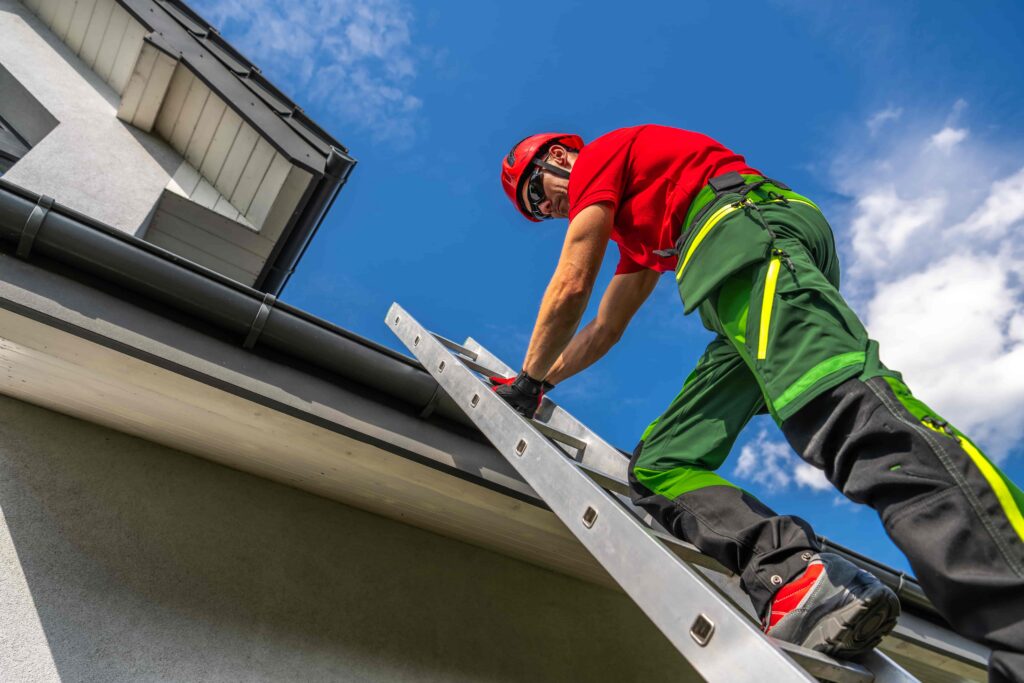
4. Have Your Roof Professionally Inspected
A roofing professional can evaluate the roof’s condition and identify damage that may not be obvious from the ground.
5. Understand the Recommended Repairs
Not every damaged roof needs to be completely replaced. Depending on the age, condition, and extent of the damage, a professional may determine that a repair is the better solution.
Will Insurance Pay for a New Roof?
No.
Filing a roof insurance claim does not automatically mean you need a complete roof replacement.
If only a small section of your roof was damaged, repairs may be enough.
However, extensive storm damage, an aging roofing system, or widespread deterioration may make replacement the better option.
A professional inspection can help determine the extent of the problem.
Does Filing a Roof Insurance Claim Mean You Need a New Roof?
No. A roof insurance claim does not automatically mean that your entire roof needs to be replaced.
If the damage is limited to a specific area and the rest of the roof remains in good condition, repairs may be sufficient.
Replacement may make more sense when damage is widespread, the roofing system is near the end of its service life, or repairing the existing roof would not provide a reliable long-term solution.
A professional inspection can help distinguish between isolated damage and a larger roofing problem.
Frequently Asked Questions About Homeowners Insurance and Roof Repairs
-
Does homeowners insurance cover roof repairs from wind?
It may. Wind damage can be a covered peril under many homeowners policies, but exclusions or special deductibles may apply. Check your policy and contact your insurer after significant storm damage.
-
Does homeowners insurance cover hail damage to a roof?
Hail damage may be covered when hail is a covered peril under the policy. However, some policies have specific exclusions, limitations, or deductibles for wind and hail.
-
Does homeowners insurance cover an old roof?
An older roof may have limited coverage or different claim-payment terms depending on the policy. Insurance generally does not cover normal deterioration simply because a roof has reached the end of its lifespan.
-
Should I call my insurance company or a roofer first?
If your roof has suffered damage, you may need to contact both. Your insurer can explain your policy and claim requirements, while a qualified roofing contractor can inspect the roof and identify the physical damage.
-
How do I know if my roof should be repaired or replaced?
The answer depends on the extent of the damage, the roof’s age, its overall condition, and the cost and practicality of repairs. A professional roof inspection can help you make an informed decision.
 Protect Your Roof After Storm Damage
So, does homeowners insurance cover roof repairs? Yes. but coverage depends on the cause of the damage and the specific terms of your homeowners insurance policy.
Sudden damage from covered events such as wind, hail, fire, or falling objects may qualify, while normal wear and tear, aging, neglect, and other exclusions generally do not.
If you suspect your roof has been damaged, don’t wait for a leak to reveal the problem. Larry Haight’s Residential Roofing has been serving homeowners in the Redmond and greater Seattle area since 1985, providing roof repairs, replacements, gutters, and other residential roofing services.
Have questions about roof damage or an insurance claim? Contact Larry Haight’s Residential Roofing or call 425-881-9771 to schedule a professional roof inspection and receive a free estimate.
Related Topics
- How Do You Fix a Leaky Roof?
- 10 Reasons Why a Roof Inspection Is a Must!
- When Should You Replace Your Roof?
- Composite Shingles vs. Asphalt: What Does Paying More Get You?