If you’re considering a metal roof, you’ve probably asked one of the most common questions homeowners have: Can you install a metal roof over shingles? In many cases, the answer is yes, but it isn’t the right solution for every home.
The decision depends on several factors, including the condition of your current roof, local building codes, the type of metal roofing system you choose, and whether your existing roof provides a solid foundation for long-term performance. While installing a metal roof over shingles can reduce labor, minimize construction waste, and shorten installation time, overlooking underlying roofing issues can lead to costly problems down the road.

This guide explains when a metal roof overlay is possible, when a complete tear-off is the better option, and the factors every homeowner should consider before making this important investment. You’ll also learn how a professional roof inspection can help determine the best roofing strategy for your home.
Since 1985, Larry Haight’s Residential Roofing has helped homeowners throughout the Redmond area make informed roofing decisions through honest recommendations, exceptional craftsmanship, and durable roofing systems built to last. Whether you’re considering a metal roof overlay or a full roof replacement, our experienced team can help you choose the solution that offers the best long-term value.
Ready to explore your options? Call 425-881-9771 or contact us online to schedule a professional roof inspection. We’ll evaluate your existing roof, explain your installation options, and help you determine the best approach for a durable, long-lasting metal roofing system.
Can You Install a Metal Roof Over Existing Shingles?
In many cases, yes. A metal roof can often be installed over a single layer of asphalt shingles without removing the existing roofing material. However, that doesn’t mean it’s always the best approach.
Whether a roof qualifies for an overlay depends on several important factors, including:
- The number of existing roofing layers
- The condition of the current shingles
- The structural integrity of the roof framing
- The condition of the roof decking beneath the shingles
- Local building code requirements
- Manufacturer installation guidelines
- The type of metal roofing system being installed
According to the International Residential Code (IRC), roof recover projects may be permitted under specific circumstances, but roofs with water-soaked materials, deteriorated decking, or multiple roofing layers may require a complete tear-off before a new roofing system can be installed.
Rather than assuming every roof qualifies for an overlay, an experienced roofing contractor should inspect the roof first. That inspection helps determine whether installing over shingles will provide decades of reliable performance or whether removing the old roof is the better long-term investment.
However, those savings only make sense if the existing roof is in good condition. Covering hidden problems simply postpones repairs that will eventually need to be addressed.
Why Some Homeowners Choose a Metal Roof Overlay
When the existing roof is in good condition, installing a metal roof over asphalt shingles can provide several meaningful advantages. While an overlay isn’t appropriate for every home, it can offer cost, efficiency, and sustainability benefits without compromising long-term performance when installed correctly.
Reduced Installation Time
Removing old roofing materials is one of the most time-consuming phases of a roof replacement. If a tear-off isn’t necessary, installers can begin building the new roofing system sooner, helping streamline the project and reduce disruption to your home.
For many homeowners, that means a faster installation process with less noise, debris, and time spent under construction.
Less Construction Waste
A complete roof tear-off can generate a significant amount of construction debris. When an overlay is a suitable option, leaving the existing shingles in place reduces the amount of material sent to local landfills and can lessen the overall environmental impact of the project.
Potential Cost Savings
Because an overlay eliminates much of the labor involved in removing and disposing of old roofing materials, homeowners may save on demolition and disposal costs. These savings can make upgrading to a durable metal roof more affordable without sacrificing quality.
However, an overlay should never be chosen based on cost alone. If hidden moisture damage, deteriorated roof decking, or ventilation issues are present, addressing those problems before installing a new roof is often the better long-term investment.

Added Protection Beneath the New Roof
When properly installed, the existing layer of shingles can provide an additional barrier beneath the new metal roofing system. Combined with the appropriate underlayment and installation methods, this layered approach can contribute to a durable, weather-resistant roofing assembly designed for years of reliable performance.
When Installing Over Shingles Is Not Recommended
Installing a metal roof over shingles is not a shortcut for avoiding necessary roof repairs.
If the existing roof has underlying damage, placing a new roof over it can trap problems beneath the surface, making future repairs more complicated and expensive.
A complete tear-off is often the better choice when your roof has:
- More than one layer of existing roofing
- Soft or deteriorated roof decking
- Active roof leaks
- Water damage or wood rot
- Significant storm damage
- Poor attic ventilation
- Structural concerns
- Curled, buckled, or uneven shingles
- Extensive flashing failures
Removing the old roof allows contractors to inspect every component of the roofing system, repair damaged decking, improve ventilation if needed, and create a solid foundation for the new metal roof.
While a tear-off may involve a larger upfront investment, it often provides greater long-term value by addressing hidden issues before they become more expensive problems.
Why a Professional Roof Inspection Comes First
One of the biggest mistakes homeowners can make is assuming the roof beneath their shingles is still in excellent condition.
Many roofing problems develop beneath the surface and aren’t visible from the ground. Water intrusion, deteriorated decking, and ventilation issues can exist long before obvious leaks appear inside the home.
Before recommending a metal roof overlay, an experienced roofing contractor should evaluate:
- Roof decking for moisture damage or rot
- Structural framing
- Flashing around chimneys, vents, and skylights
- Roof penetrations
- Existing fasteners
- Attic ventilation
- Signs of previous leaks
- The overall condition and remaining lifespan of the roof
Rather than focusing only on today’s installation cost, a professional inspection helps ensure your investment delivers reliable performance for decades.
What Types of Metal Roofs Can Be Installed Over Shingles?
Not every metal roofing product is installed the same way. The type of roofing system you choose influences the installation process, long-term performance, and overall appearance of your home.
Common residential metal roofing options include:
Standing Seam Metal Roofing
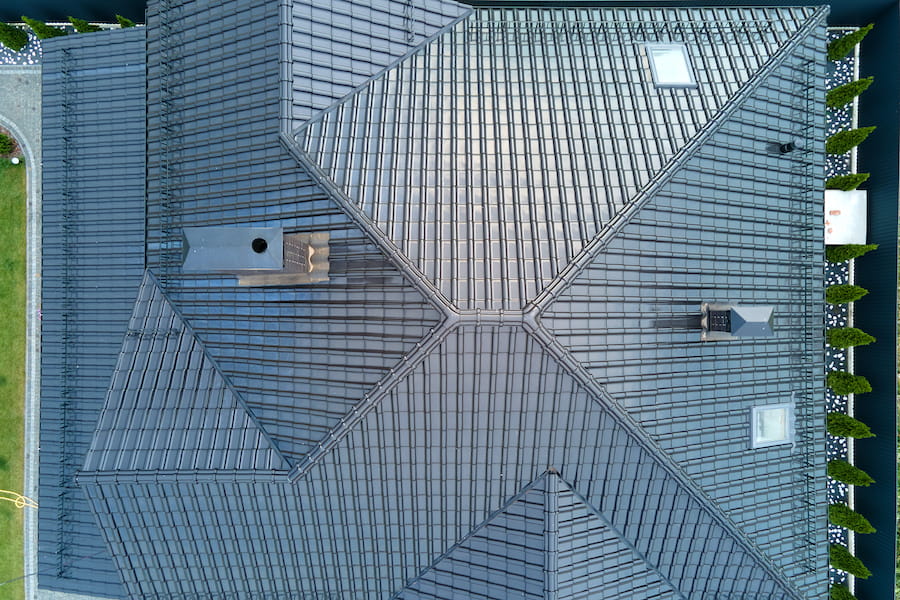
Standing seam roofs feature concealed fasteners and raised vertical seams that create a clean, modern appearance while providing exceptional weather resistance. Depending on the home’s existing roof and installation method, standing seam systems may be installed over asphalt shingles using specialized underlayment and attachment systems.
Exposed Fastener Metal Panels
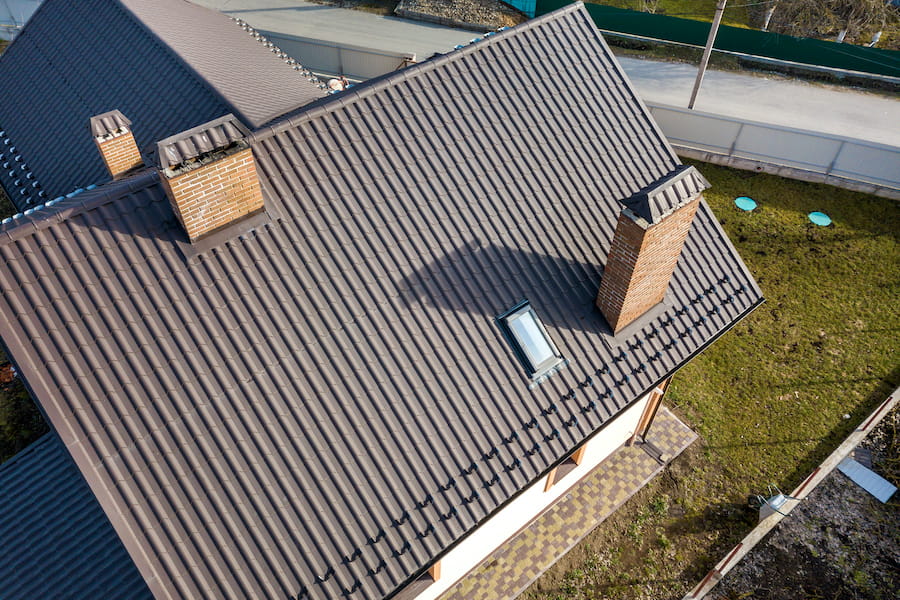
Exposed fastener panels are another durable metal roofing option. While they are installed differently than standing seam systems, they provide long-lasting protection and are commonly used on residential homes.
Metal Shingles
Metal shingles combine the appearance of traditional roofing materials with the strength and longevity of steel. They offer homeowners a more classic look while delivering many of the performance benefits associated with metal roofing.
Regardless of the roofing profile you choose, proper installation is essential. Following manufacturer specifications and industry best practices helps ensure your new roof performs as intended and remains protected for years to come.
Does Installing a Metal Roof Over Shingles Save Money?
Many homeowners assume that installing a metal roof over shingles is always the less expensive option. While it can reduce labor and disposal costs, the overall value depends on the condition of the existing roof.
If the roof is structurally sound and meets building code and manufacturer requirements, an overlay may provide measurable savings by eliminating the tear-off process. However, if hidden issues such as water damage, deteriorated decking, or poor ventilation are present, covering them can lead to more extensive and expensive repairs later.
Instead of focusing solely on the initial installation cost, consider the total value of your investment, including:
- The remaining lifespan of your current roof
- Potential repairs that may be needed beneath the shingles
- Long-term maintenance costs
- Warranty eligibility
- The expected lifespan of the new metal roof
A professional roof inspection can help determine whether an overlay will truly save money or whether a complete roof replacement is the smarter long-term investment.
Why Proper Installation Matters
Whether you’re installing a metal roof over shingles or completing a full tear-off, the quality of the installation is just as important as the roofing material itself.
A properly installed metal roof is a complete roofing system made up of multiple components that work together to protect your home. Beyond the metal panels, the system may include:
- High-performance underlayment
- Flashing around chimneys, skylights, and roof penetrations
- Ridge caps
- Closure strips
- Ventilation components
- Fasteners and attachment systems designed for the specific roof profile
Each component plays an important role in preventing water intrusion, improving weather resistance, and supporting the roof’s long-term durability.
How Larry Haight’s Residential Roofing Helps Homeowners
Choosing between a metal roof overlay and a complete roof replacement isn’t always straightforward. Every home has different structural conditions, roofing history, and long-term goals, which is why professional guidance is so important.
Since 1985, Larry Haight’s Residential Roofing has built a reputation for professionalism, integrity, honesty, and exceptional customer service. We believe homeowners deserve clear recommendations based on what’s best for their home, not a one-size-fits-all solution.
Our residential roofing services include:
- Trusted roof inspections
Whether your existing roof is an ideal candidate for an overlay or would benefit from a complete replacement, we’ll explain your options, answer your questions, and recommend the solution that delivers the greatest long-term value.

Invest in a Metal Roof With Confidence
A metal roof is designed to protect your home for decades, but its long-term performance depends on the condition of the roof beneath it. While installing a metal roof over existing shingles can be an excellent solution in the right circumstances, the decision should always be based on a thorough evaluation of your home’s structure, roof decking, ventilation, and overall roof condition.
Since 1985, Larry Haight’s Residential Roofing has helped homeowners throughout the Redmond area navigate roof replacements with honest guidance, expert craftsmanship, and a commitment to doing the job right the first time. We don’t recommend overlays simply because they’re possible. We recommend the roofing solution that provides the greatest durability, performance, and value for your home.
Ready to find out if your roof is a candidate for a metal roof overlay? Call Larry Haight’s Residential Roofing today at 425-881-9771 or contact us online to schedule a professional roof inspection. We’ll provide a comprehensive assessment, explain your options, and help you invest in a metal roofing system that’s built to protect your home for decades to come.
FAQ: Installing a Metal Roof Over Shingles
Q: Can you install a metal roof over existing asphalt shingles?
Yes, in many cases a metal roof can be installed over a single layer of asphalt shingles. However, the existing roof must be in good condition, meet local building code requirements, and provide a structurally sound foundation. A professional roof inspection is the best way to determine whether your home is a good candidate for a metal roof overlay.
Q: Is it better to remove shingles before installing a metal roof?
It depends on the condition of your existing roof. If there are signs of water damage, deteriorated roof decking, poor ventilation, multiple roofing layers, or structural issues, a complete tear-off is typically the better long-term solution. Removing the old roof allows hidden problems to be repaired before the new metal roof is installed.
Q: Does installing a metal roof over shingles save money?
It can. Installing a metal roof over shingles may reduce labor and disposal costs because the existing roofing materials do not need to be removed. However, any upfront savings should be weighed against the condition of the roof underneath. A professional inspection can help determine which option provides the best long-term value.
Q: How long does a metal roof last?
Metal roofing is one of the most durable residential roofing materials available. When professionally installed and properly maintained, many metal roofing systems provide reliable protection for several decades, making them an excellent long-term investment for homeowners.
Q: Will a metal roof over shingles make my home hotter?
No. Many modern metal roofing products feature reflective coatings that help reduce solar heat absorption. Combined with proper attic insulation and ventilation, a metal roof can contribute to improved energy efficiency and indoor comfort.
Q: Does installing a metal roof over shingles affect warranties?
Warranty coverage depends on the roofing manufacturer, installation method, and whether the roof is installed according to manufacturer specifications. Working with an experienced roofing contractor helps ensure your installation meets warranty requirements and applicable building codes.
Q: How do I know if my roof qualifies for a metal roof overlay?
The only way to know for sure is through a professional roof inspection. A qualified roofing contractor will evaluate the condition of your shingles, roof decking, ventilation, structural integrity, and any signs of moisture damage before recommending an overlay or complete roof replacement.
Q: Can Larry Haight’s Residential Roofing determine whether my roof is a good candidate for a metal roof overlay?
Yes. Since 1985, Larry Haight’s Residential Roofing has helped homeowners make informed roofing decisions through comprehensive roof inspections and honest recommendations. We’ll evaluate your existing roof, explain whether a metal roof overlay is appropriate, and help you choose the roofing solution that offers the best long-term protection and value for your home.
Related Topics