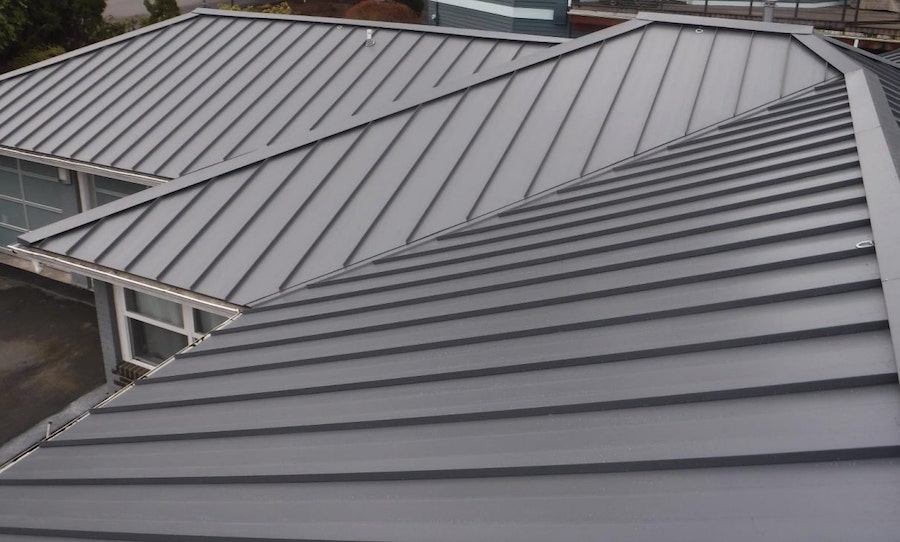
At Larry Haight’s Residential Roofing Company, we often hear homeowners ask the same question: how to clean a metal roof without damaging it. Metal roofing is known for its durability, longevity, sustainability, and low maintenance requirements, but that does not mean it can be completely ignored. Dirt, pollen, leaves, mold, mildew, and environmental pollutants can accumulate over time, affecting both the appearance and performance of your roof.
The good news is that cleaning a metal roof is usually straightforward when you follow the proper techniques and use the right products. The wrong tools or cleaning methods, however, can damage protective coatings, create scratches, and even void manufacturer warranties.
In this guide, we will explain how to clean a metal roof safely, what products to use, what to avoid, and when it may be best to call a professional roofing contractor.
Why Cleaning a Metal Roof Matters
Many homeowners choose metal roofing because it can last for decades. While metal roofs require less maintenance than many other roofing materials, regular cleaning remains an important part of preserving their appearance and performance.
Routine cleaning helps:
- Remove dirt, pollen, leaves, and airborne debris
- Prevent mold, mildew, and algae buildup
- Maintain the appearance of painted metal panels
- Extend the life of the roof’s protective coating
- Help identify potential issues before they become major repairs
A clean roof not only looks better but can also help preserve your home’s curb appeal and value.
Start with a Roof Inspection
Before beginning any cleaning project, inspect the roof from the ground.
Look for:
- Leaves and branches collecting in valleys
- Areas with visible discoloration
- Signs of mold or mildew growth
- Rust-colored stains
- Damaged panels or flashing
- Scratches in the painted finish
Walking around the property and viewing the roof from multiple angles can help you identify trouble spots before cleaning begins.
If you notice loose panels, structural concerns, or significant damage, contact a roofing professional before attempting any cleaning.
Safety Comes First
Cleaning a roof can be dangerous, especially when surfaces become wet and slippery. Metal roofing can be particularly slick when moisture or cleaning solutions are present.

Follow these safety guidelines:
- Never work alone
- Use a stable, OSHA-approved ladder
- Wear shoes with good traction
- Use appropriate eye protection
- Consider fall protection equipment when accessing the roof
- Avoid working during hot, sunny conditions
- Break the project into manageable sections
For steep roofs or multi-story homes, hiring a professional is often the safest option.
The Best Tools for Cleaning a Metal Roof
One of the most important aspects of learning how to clean a metal roof is understanding which tools are safe for the surface.
Recommended tools include:
- Soft washcloths
- Non-abrasive sponges
- Soft bristle brushes
- Non-abrasive cleaning pads
- Garden hoses with standard spray nozzles
These tools are gentle enough to clean dirt and stains without scratching the roof’s finish.
Step 1: Remove Loose Debris
Begin by removing leaves, twigs, and other debris from the roof surface and gutters.
Many metal roofs can be cleaned effectively by simply rinsing away surface dirt and debris with water. Start at the highest area you can safely reach and allow the water to flow down the roof naturally.
This initial rinse may remove much of the accumulated dirt without requiring any cleaning chemicals.
Step 2: Wash with a Mild Cleaning Solution
If water alone does not fully clean the roof, a mild detergent solution is often the next step.
A commonly recommended cleaning mixture includes:
- ¼ cup mild detergent
- 1 gallon of water
Suitable detergents include mild laundry soap, car wash soap, or gentle dish soap. Apply the solution using a soft sponge, cloth, or brush. Allow it to sit for approximately five to ten minutes before rinsing thoroughly with clean water.
Avoid letting soap dry on the roof surface.
Work in small sections and rinse frequently to prevent residue buildup.
Step 3: Rinse Thoroughly
After cleaning, rinse every section completely with fresh water.
Leaving detergent residue on a metal roof can attract dirt and potentially affect the appearance of the finish over time. Thorough rinsing helps restore the roof’s clean appearance and removes any remaining cleaning solution.
How to Remove Mold, Mildew, and Algae
Homes located in damp climates or heavily shaded areas may experience mold, mildew, or algae growth on their roofs.
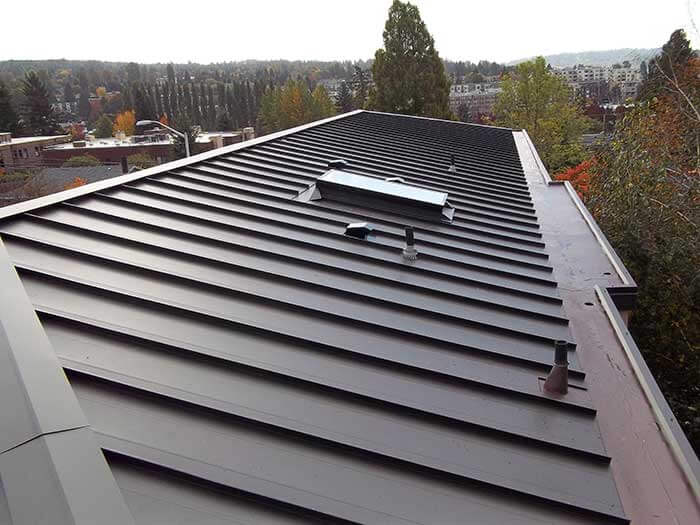
When these contaminants appear, a stronger cleaning solution may be necessary.
A commonly recommended mixture includes:
- 1/3 cup powdered laundry detergent
- 1 quart bleach
- 3 quarts water
Apply the solution using a soft cloth or brush. Gently scrub the affected areas and rinse thoroughly once the growth has been removed.
Always protect nearby landscaping and follow all product safety instructions when working with bleach-based cleaners.
Dealing with Rust Stains
Rust-colored stains can sometimes appear on metal roofing. In many cases, the stain is caused by metal particles resting on the roof surface rather than actual roof corrosion.
For minor rust stains:
- Remove the source of the metal particles.
- Use a mild cleaner and a non-abrasive pad.
- Apply gentle pressure.
- Rinse thoroughly.
If rust stains persist after cleaning, it may indicate a more serious issue that should be evaluated by a roofing professional.
Signs of Coating Wear and Chalking
During cleaning, pay close attention to the condition of the roof’s finish.
One issue homeowners may notice is “chalking,” which appears as a white, powdery residue on painted metal surfaces. Chalking can occur as coatings age and are exposed to sunlight, pollution, and environmental contaminants.
To check for chalking:
- Gently rub your finger across the surface.
- Look for a white powdery residue.
- Document any affected areas.
If you observe extensive chalking or coating deterioration, consult a roofing professional or the roof manufacturer for guidance.
What NOT to Use on a Metal Roof
Many roofing problems occur because homeowners use products or tools that are too aggressive.
Never use the following on a metal roof:
- Steel wool
- Wire brushes
- Sandpaper
- High-pressure power washers
- Scouring powders
- Paint removers
- Paint thinners
- Acids not specifically approved by the manufacturer
- Abrasive cleaning compounds
High-pressure washing is particularly risky because it can damage paint finishes, protective coatings, and even force water into areas where it does not belong.
Protecting Your Roof Warranty
Many metal roofing systems include manufacturer warranties covering paint systems, coatings, and materials. Cleaning methods that are not approved by the manufacturer may void those warranties.
Before using any specialized cleaner:
- Review manufacturer guidelines
- Confirm approved cleaning products
- Follow recommended dilution ratios
- Test cleaners in an inconspicuous area first
When in doubt, contact the manufacturer or your roofing contractor for recommendations.
How Often Should You Clean a Metal Roof?
Most homeowners benefit from inspecting and cleaning their metal roof at least once per year. Homes surrounded by trees or located in areas with high pollen levels, heavy rainfall, pollution, or shade may require more frequent maintenance.
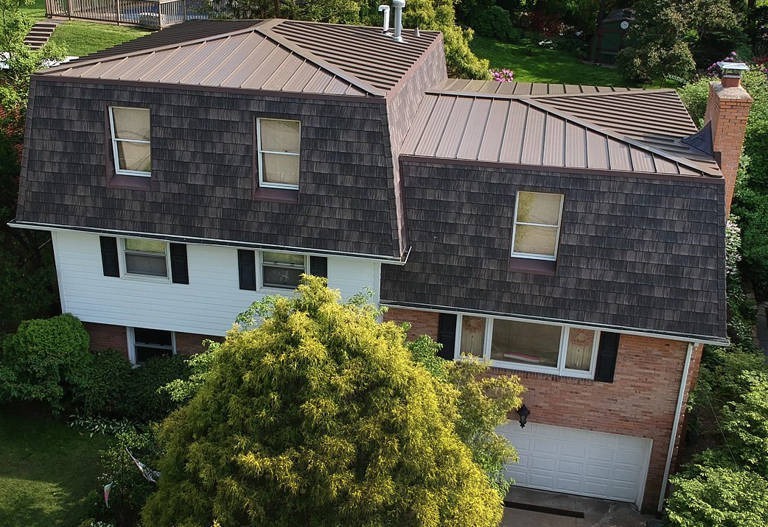
A good maintenance schedule includes:
- Spring inspection and cleaning
- Fall debris removal
- Regular gutter cleaning
- Trimming overhanging tree branches
Staying proactive helps prevent buildup that becomes more difficult to remove later.
When to Hire a Professional
While many homeowners can perform light roof cleaning safely, some situations call for professional assistance.
Consider hiring a professional if:
- Your roof is steep or difficult to access
- Significant mold or algae growth is present
- Rust staining continues after cleaning
- You suspect coating damage
- The roof is multiple stories high
- You are uncomfortable working at heights
Professional roof cleaners and roofing contractors have the equipment, experience, and safety systems necessary to complete the work correctly.
Roofing Services from Larry Haight’s Residential Roofing Company
While routine cleaning can help extend the life of your roof, some issues require more than maintenance alone. If your roof has reached the end of its lifespan, has suffered storm damage, or is showing signs of significant wear, Larry Haight’s Residential Roofing Company can help with professional roof repairs and full roof replacements.
Our team works with a variety of roofing systems to meet the needs of homeowners throughout the region, including:
Whether you need a minor repair, a comprehensive roof inspection, or a complete roof replacement, our experienced roofing professionals can recommend the best solution for your home’s style, budget, and long-term protection goals. If you’re unsure whether your roof needs cleaning, repairs, or replacement, we’re happy to provide an expert assessment.

Final Thoughts on How to Clean a Metal Roof
Understanding how to clean a metal roof properly can help protect one of your home’s most valuable investments. In many cases, a simple combination of water, mild detergent, soft cleaning tools, and routine maintenance is all that is needed to keep a metal roof looking great for years.
The key is avoiding abrasive tools, harsh chemicals, and high-pressure washing methods that can damage protective coatings and shorten the life of the roofing system. Regular inspections, prompt cleaning, and attention to manufacturer recommendations will help preserve both the beauty and performance of your roof.
If you have questions about maintaining your metal roof or would like a professional inspection, contact Larry Haight’s Residential Roofing Company online or call 425-881-9771 today. Our experienced team can help ensure your metal roof stays clean, protected, and performing at its best for decades to come.
FAQs About Metal Roof Cleaning
1. How often should I clean a metal roof?
Most metal roofs should be inspected and cleaned at least once per year. Homes surrounded by trees or located in humid climates may require more frequent cleaning.
2. Can I pressure wash a metal roof?
No. High-pressure washing can damage protective coatings, paint finishes, and potentially void manufacturer warranties.
3. What is the best cleaner for a metal roof?
For general cleaning, a mixture of mild detergent and water is typically recommended. Always verify manufacturer-approved cleaning products before use.
4. Is bleach safe to use on a metal roof?
Bleach-based solutions may be used for mold, mildew, and algae removal when properly diluted and thoroughly rinsed afterward. Follow all manufacturer recommendations.
5. Can cleaning a metal roof extend its lifespan?
Yes. Regular cleaning helps remove contaminants that can contribute to coating deterioration, discoloration, and premature aging, helping the roof maintain its appearance and performance longer.