
Replacing your roof is one of the most important investments you can make in your home. It protects everything underneath it, improves energy efficiency, and boosts curb appeal. But for many Greater Seattle area homeowners, the process can feel overwhelming simply because they do not know what to expect.
At Larry Haight’s Residential Roofing Company, we believe an informed homeowner is a confident homeowner. Understanding the roof replacement steps ahead of time helps you plan, avoid surprises, and ensure you are getting quality workmanship every step of the way.
In this guide, we will walk you through the full roof replacement process from the initial inspection to the final cleanup so you know exactly what happens during your project.
Why Understanding Roof Replacement Steps Matters
A roof replacement is not just about tearing off old shingles and installing new ones. It is a multi-step process that includes inspection, preparation, structural evaluation, and careful installation techniques.
When you understand each stage, you can:
- Make better decisions about materials and contractors
- Identify quality workmanship
- Avoid unexpected delays or costs
- Feel confident throughout the project
Most residential roof replacements are completed in one to three days for standard asphalt shingles, though the full process from inspection to completion may take a few weeks depending on scheduling and planning.
Step 1: Roof Inspection and Estimate
Every roof replacement begins with a professional inspection. A roofing expert evaluates the current condition of your roof, checks for damage, measures the area, and identifies any structural concerns.
During this stage, your contractor will:
- Examine shingles, flashing, and ventilation
- Check for leaks, rot, or weak decking
- Measure the roof for material calculations
- Discuss material options and upgrades
You will then receive a detailed estimate outlining the scope of work, timeline, and total cost. This is your opportunity to ask questions and ensure everything is clearly documented before moving forward.
Step 2: Choosing Materials and Scheduling the Project
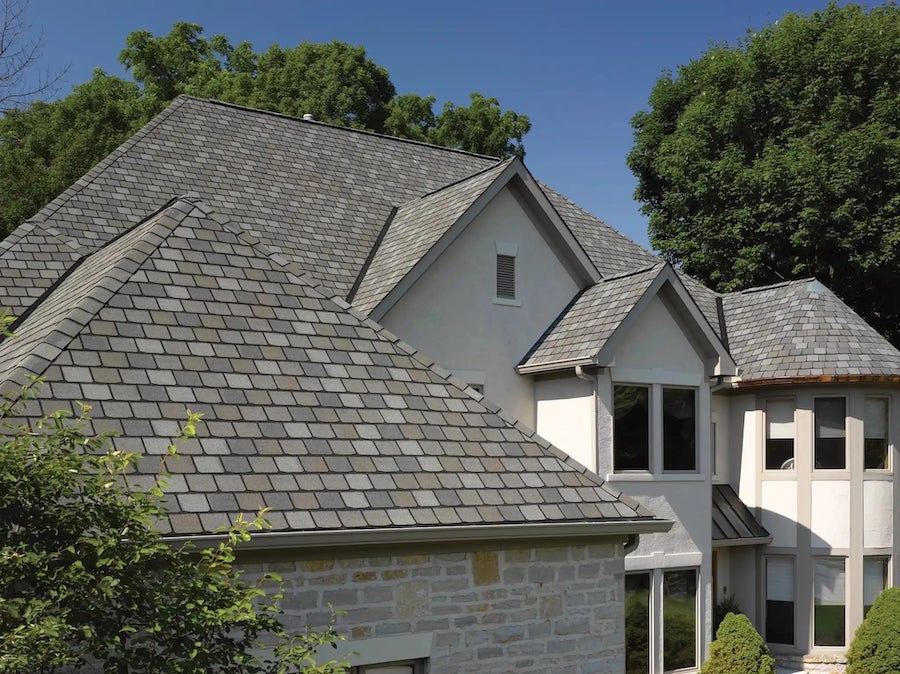
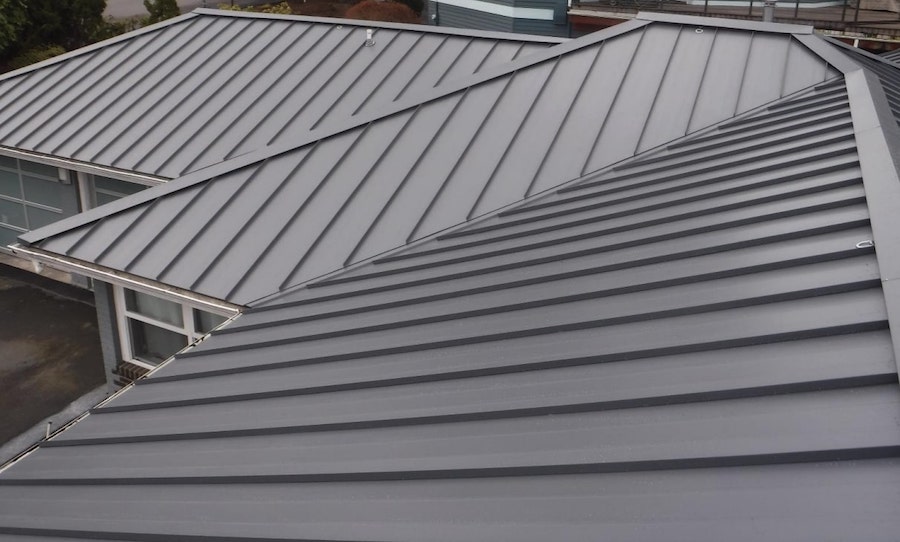
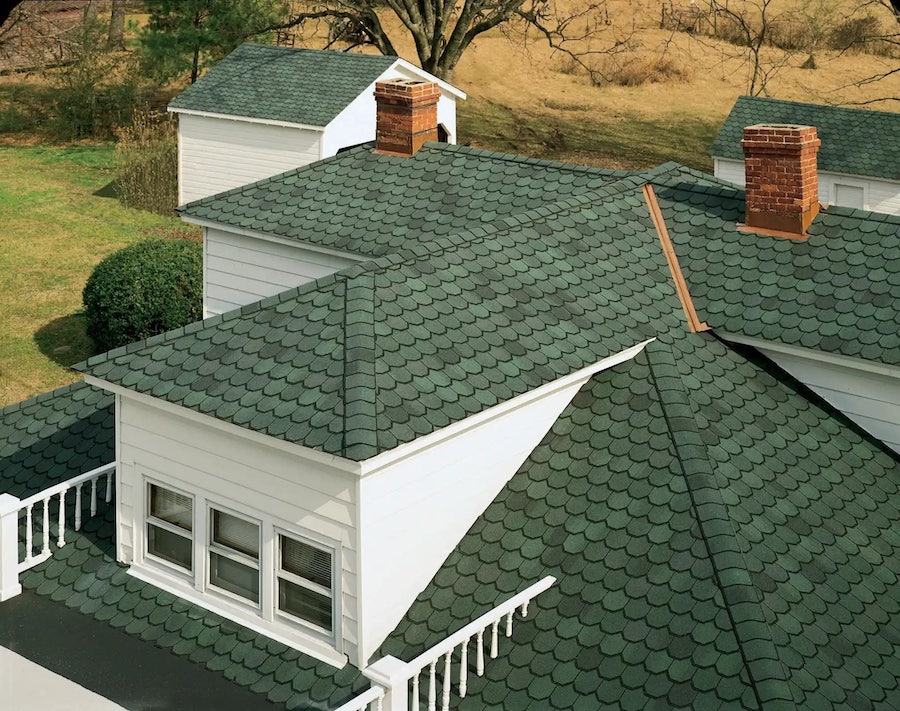
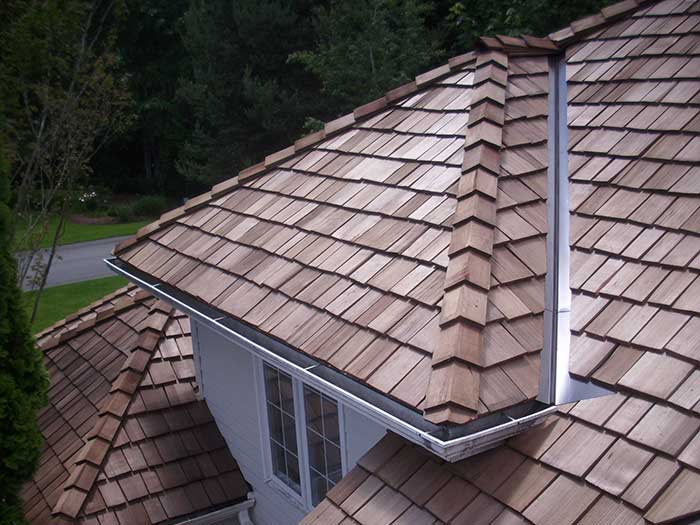
Once you approve the estimate, the next step is selecting your roofing materials and locking in your project timeline. This is where your vision for your home starts to take shape. Your contractor will walk you through different material options such as composition shingles, metal roofing, PVC membrane, cedar shake shingles, or other specialty products, explaining how each one impacts durability, cost, and appearance.
At the same time, your roofing company will begin coordinating logistics behind the scenes. This includes ordering materials, securing any required permits, and scheduling the installation crew. The timeline will depend on factors like weather, material availability, and overall project complexity. By finalizing these details early, you set the stage for a smooth and efficient installation process.
Step 3: Preparing Your Home
Before installation day, there are a few important preparations to protect your property and make the job easier.
Homeowners should:
- Move vehicles away from the driveway
- Remove or secure outdoor furniture and decorations
- Cover valuables in the attic
- Inform neighbors about upcoming noise
Roofing crews may also deliver materials and a dumpster a day or two before the project begins.
Proper preparation minimizes disruptions and helps keep your property safe during construction.
Step 4: Delivery of Materials
Materials typically arrive shortly before installation begins. This includes shingles, underlayment, flashing, nails, and ventilation components.
Having everything on-site ensures the crew can work efficiently without delays. Many contractors stage materials on the roof or near the home for easy access during installation.
Step 5: Removing the Old Roof
On installation day, the first major task is removing the existing roofing system. This involves tearing off all old shingles, underlayment, and fasteners down to the roof deck. While it can be one of the loudest and messiest parts of the process, it is also one of the most important.
A complete tear-off allows the roofing crew to start fresh and ensures that no hidden issues are covered up. It also provides a clear view of the roof deck underneath, making it possible to identify any damage that needs to be addressed before moving forward. Skipping this step or cutting corners here can lead to long-term problems, so a thorough removal is essential for a high-quality roof replacement.
Step 6: Inspecting and Repairing the Roof Deck
Once the old roof is removed, the decking is fully exposed. This is a critical moment in the process.
The crew will:
- Check for rotted or damaged wood
- Replace any weak or compromised sections
- Ensure the surface is flat and secure
A strong roof deck is essential because it supports the entire roofing system. Skipping repairs at this stage can lead to serious problems down the line.

Step 7: Installing Drip Edge and Underlayment
Next comes the protective layers that sit beneath your shingles.
First, a drip edge is installed along the edges of the roof to direct water away from the fascia and into the gutters. Then, underlayment is applied across the roof deck.
This layer acts as a moisture barrier and provides added protection against leaks. In vulnerable areas like valleys and eaves, specialized waterproof barriers may be used.
This step is crucial for long-term durability and weather resistance.
Step 8: Installing Flashing and Ventilation Components
Flashing is installed around areas where water is most likely to penetrate, such as:
- Chimneys
- Skylights
- Roof valleys
- Vents
Proper flashing prevents leaks and protects these vulnerable areas.
At the same time, your contractor may install or upgrade ventilation systems. Good ventilation helps regulate temperature, reduce moisture buildup, and extend the life of your roof.
Step 9: Installing the New Roofing Material
With the foundation in place, the installation of your new roofing material begins. This is the stage where your roof starts to take its final form and where craftsmanship really matters. For asphalt shingles, the process typically starts with a starter row along the edges, followed by carefully aligned rows of shingles installed in a staggered pattern to promote proper water runoff.
Each shingle is secured with precision to ensure durability and resistance to wind and weather. The process concludes with ridge cap shingles along the peak of the roof, which provide both protection and a finished look. When installed correctly, your new roof will not only enhance your home’s appearance but also deliver reliable performance for years to come.
Step 10: Final Details and Sealing
After the main roofing material is installed, the crew completes finishing touches such as:
- Sealing exposed nails
- Securing flashing
- Checking ventilation components
- Ensuring all areas are properly sealed
These details play a big role in preventing future leaks and ensuring the system performs as intended.
Step 11: Cleanup and Debris Removal
A professional roofing company will leave your property as clean as they found it.
Cleanup typically includes:
- Removing all debris and old materials
- Sweeping the area with magnets to collect nails
- Clearing gutters of debris
- Hauling away dumpsters
This step is essential for both safety and appearance.
Step 12: Final Inspection and Walkthrough
The final step in the roof replacement process is a thorough inspection and walkthrough of the completed project. Your contractor will carefully review the entire roof to ensure every detail meets quality standards and that the installation was completed correctly.
During this walkthrough, you will have the opportunity to ask questions, review the work, and understand any warranty coverage associated with your new roof. This step provides peace of mind and confirms that your investment has been completed to a professional standard, giving you confidence in the long-term performance of your roof.
How Long Does a Roof Replacement Take?
While the full process from inspection to completion can take a few weeks, the actual installation is much quicker.
For most homes:
- Asphalt shingle roofs: 1 to 3 days
- Larger or more complex roofs: several days
- Premium materials: longer installation times
Weather, roof size, and material type all influence the timeline.
Trust Larry Haight’s Residential Roofing Company
Choosing the right contractor is just as important as understanding the process. At Larry Haight’s Residential Roofing Company, we guide homeowners through every step of their roof replacement with transparency, professionalism, and attention to detail.
From your first inspection to the final cleanup, our team ensures your project is completed efficiently and to the highest standards. Contact our team online or call 425-881-9771 to schedule a free estimate!
Frequently Asked Questions
1. How do I know if I need a roof replacement instead of a repair?
If your roof is over 20 years old, has widespread damage, or recurring leaks, a full replacement is often the better long-term solution.
2. Will I need to leave my home during the roof replacement?
No, most homeowners stay home during the project. However, expect noise and some disruption throughout the day.
3. What is the most common roofing material?
Asphalt shingles are the most popular due to their affordability, durability, and quick installation time.
4. Can a new roof be installed over old shingles?
In some cases, yes, but a full tear-off is usually recommended to ensure proper inspection and long-term performance.
5. What should I look for in a roofing contractor?
Look for proper licensing, insurance, strong reviews, clear estimates, and a detailed scope of work that outlines every step of the process.
Related Topics You Might Enjoy