
Roofing with HOA Rules: What Homeowners Need to Know Before Replacing a Roof
If you live in a neighborhood governed by a homeowners association, replacing your roof is not as simple as choosing a material and scheduling installation. HOA guidelines can significantly impact everything from the color and material of your shingles to the contractor you hire and the timeline of your project.
At Larry Haight’s Residential Roofing Company, we regularly work with homeowners navigating strict HOA requirements. Understanding these rules before starting your project can save you time, money, and frustration while ensuring your new roof meets both your needs and your community’s standards.
This guide will walk you through how HOA roofing rules work, what to expect, and how to complete your roofing project without unnecessary setbacks.
Why HOAs Have Roofing Rules in the First Place
Homeowners associations exist to maintain a consistent appearance and protect property values within a community. Roofing plays a major role in curb appeal, which is why repairs and replacements are often heavily regulated.
Most HOA rules are outlined in documents called Covenants, Conditions, and Restrictions, often referred to as CC&Rs. These guidelines dictate what homeowners can and cannot do when making exterior changes.
HOAs typically regulate roofing because:
- Roofs are highly visible and impact neighborhood aesthetics
- Uniform materials and colors create a cohesive look
- Consistent standards help preserve property values
- Certain materials may be better suited for the local climate
While these rules can feel restrictive, they are designed to maintain long term value across the community.
Common HOA Roofing Restrictions You Should Expect
Not all HOAs are the same, but many share similar requirements when it comes to roofing projects. Before starting your replacement, it is important to understand the most common restrictions.
Material Limitations
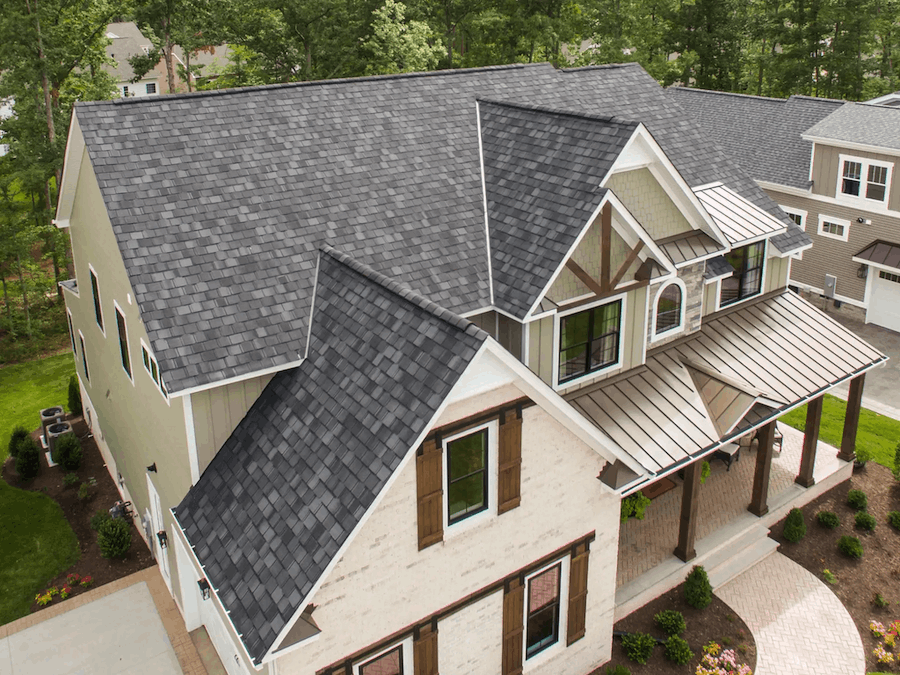
Many HOAs only allow specific types of roofing materials. Architectural asphalt shingles are often the most widely accepted option, while materials like metal or flat roofing may be restricted.
In some communities, even within approved categories, you may be limited to certain product lines or manufacturers. These requirements are put in place to maintain a uniform appearance across homes.
Color and Style Requirements
HOAs frequently provide a list of approved colors, typically neutral tones such as gray, brown, or weathered wood. Bright or unconventional colors are rarely permitted.
They may also regulate shingle style, requiring dimensional or architectural shingles rather than basic three tab options.
Contractor Requirements
Some HOAs require homeowners to use licensed and insured contractors, while others maintain a list of approved roofing companies. These rules help reduce liability and ensure quality workmanship.
Work Schedule Restrictions
You may be limited to certain working hours, such as weekdays during business hours and limited Saturday availability. Sunday work is often prohibited.
HOAs may also dictate how long the project can take once it begins, ensuring that construction disruptions are minimized.
Jobsite Rules
Expect regulations around:
- Dumpster placement
- Parking for work vehicles
- Material storage
- Cleanup standards
These details might seem minor, but failing to follow them can result in fines or complaints.
The HOA Approval Process Explained
One of the most important steps in any HOA roofing project is obtaining approval before work begins. Skipping this step is one of the most common and costly mistakes homeowners make.
Step 1: Review Your HOA Documents
Before planning your project, request the most up to date version of your HOA guidelines. Rules can change over time, so relying on old documents can lead to problems.
Step 2: Prepare Your Submission
Most HOAs require a formal application that includes:
- Roofing material details
- Color selection
- Manufacturer specifications
- Contractor information
- Project timeline
Providing complete and detailed information increases your chances of quick approval.
Step 3: Submit to the Architectural Review Committee
Your application will typically be reviewed by an Architectural Review Committee, often called the ARC. This group evaluates whether your project complies with community standards.
Approval timelines can range from a few weeks to a few months, so plan accordingly.
Step 4: Wait for Written Approval
Do not begin work until you receive official written approval. Verbal approval or assumptions can lead to serious consequences.
What Happens If You Skip HOA Approval
Ignoring HOA requirements can lead to more than just a warning letter. The consequences can be expensive and time consuming.
Daily Fines
Many HOAs impose daily fines for unapproved work, often ranging from $25 to $200 per day until the issue is resolved.
Forced Roof Replacement
If your new roof does not meet HOA standards, you could be required to remove it and install a compliant one at your own expense. This means paying for two roofing projects instead of one.
Legal Action
In some cases, HOAs can take legal action to enforce compliance, especially if violations are not corrected promptly.
The bottom line is simple. Always get approval first.
How to Choose a Roof That Meets HOA Standards and Your Needs
Balancing HOA requirements with your personal preferences can feel challenging, but it is possible to find a solution that works for both.
Start with Approved Options
Begin by reviewing your HOA’s list of approved materials and colors. This helps narrow your choices and prevents wasted time evaluating options that will not be approved.
Consider Performance and Durability
Even within HOA restrictions, there are still quality differences between products. Look for roofing materials that offer:
- Strong wind resistance
- High impact ratings
- Long manufacturer warranties
- Energy efficiency
Work with an Experienced Roofing Contractor
A contractor who has experience working with HOA communities can be a major asset. They understand the approval process and can help ensure your application meets all requirements.
At Larry Haight’s Residential Roofing Company, we assist homeowners with documentation, material selection, and communication with their HOA to streamline the process.
Tips for Navigating Strict HOA Roofing Rules
Dealing with a strict HOA does not have to be stressful. With the right approach, you can avoid delays and keep your project on track.
Communicate Early
Reach out to your HOA before finalizing your plans. Asking questions upfront can prevent misunderstandings later.
Submit Complete Documentation
Incomplete applications are one of the main reasons for delays. Double check that all required information is included before submitting.
Plan for Extra Time
HOA approvals can take weeks or even months. Build this into your timeline so your project is not rushed.
Keep Records
Save copies of all correspondence, approvals, and documents. Having a paper trail can protect you if issues arise.
Be Open to Compromise
If your first choice is not approved, consider alternative options that still meet your goals while complying with HOA rules.
Can You Ever Challenge HOA Roofing Rules
While HOAs have significant authority, they are not unlimited in what they can enforce.
In some cases, state laws may override HOA restrictions, especially when it comes to safety or energy efficiency upgrades. For example, certain laws prevent HOAs from blocking improvements like solar panels or specific protective materials.
If you believe a rule is unreasonable, you may be able to request a variance. This is essentially a formal request for an exception to the standard guidelines.
To improve your chances of approval:
- Provide detailed documentation
- Show how your request benefits your home and community
- Demonstrate that the alternative meets or exceeds performance standards
However, approval is never guaranteed, so it is best to approach this process carefully.
The Value of Working with a Roofing Company That Understands HOAs
Roofing in an HOA community is not just about installation. It is about navigating a structured process with multiple requirements and stakeholders.
Choosing a roofing company with HOA experience can make a significant difference. An experienced contractor can:
- Help interpret HOA guidelines
- Recommend compliant materials
- Assist with application paperwork
- Coordinate timelines with approval schedules
- Ensure the project meets all community rules

At Larry Haight’s Residential Roofing Company, we understand the challenges homeowners face in HOA communities. Our team works closely with you to simplify the process and ensure your roofing project is completed smoothly and correctly.
Final Thoughts on Roofing in HOA Communities
Replacing your roof in an HOA governed neighborhood requires careful planning, attention to detail, and a clear understanding of the rules.
While the process may seem more complex than a standard roof replacement, following the proper steps can help you avoid costly mistakes and ensure a successful outcome.
By reviewing your HOA guidelines, submitting a complete application, and working with an experienced roofing contractor, you can confidently navigate even the strictest HOA requirements.
If you are planning a roof replacement and want expert guidance every step of the way, Larry Haight’s Residential Roofing Company is here to help. Contact our team online or call 425-881-9771 to schedule a free estimate!
Frequently Asked Questions About Roof Replacement in HOA Communities
1. Do I always need HOA approval for a roof replacement
Yes, in most HOA communities, any exterior change including roofing requires prior approval. Even minor repairs may need to be reviewed.
2. How long does HOA approval take for roofing
Approval timelines vary, but most HOAs take anywhere from 30 to 90 days depending on the complexity of the project.
3. Can I choose any roofing material I want
No, most HOAs restrict materials and colors to maintain a consistent neighborhood appearance.
4. What happens if my HOA denies my roofing request
You may need to revise your proposal or choose a different material. In some cases, you can request a variance or appeal the decision.
5. Can an HOA force me to replace my roof
Yes, if your roof is in poor condition or violates community standards, an HOA can require replacement as outlined in your governing documents.
Related Topics You Might Enjoy