When investing in a new roofing system, one of the first questions homeowners and property managers ask is simple: how long will it last? If you are considering a PVC roofing system, you are already looking at one of the most durable and high-performing flat roofing materials available today. But understanding its true lifespan requires looking beyond a single number.
At Larry Haight’s Residential Roofing Company, we help homeowners in the greater Seattle area make informed decisions about their roofing systems. In this guide, we break down exactly how long a PVC roof lasts, what affects its longevity, and how to get the most out of your investment.
What Is a PVC Roof?
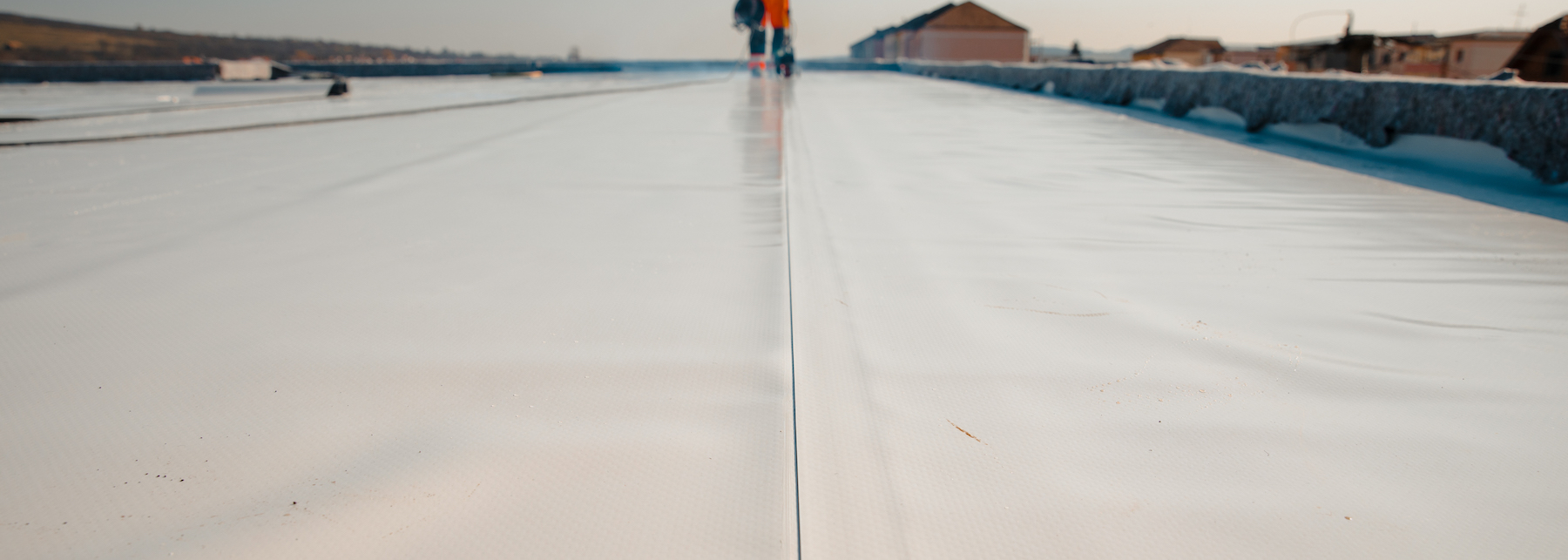
PVC roofing stands for polyvinyl chloride roofing. It is a single-ply membrane system most commonly used on flat or low-slope roofs. Unlike traditional shingles, PVC roofing comes in large sheets that are heat-welded together to create a watertight surface.
This material is known for its strength, flexibility, and resistance to chemicals, fire, and moisture. Because of these properties, PVC roofing is often used in both commercial buildings and modern residential designs.
Average Lifespan of a PVC Roof
A properly installed PVC roof typically lasts between 20 and 30 years, which is the industry standard for most systems. However, many high-quality systems exceed this range. With proper installation and maintenance, PVC roofs can last 25 to 40 years or more.
In ideal conditions, some PVC roofing systems have even been known to perform close to 40 years, especially when premium materials and expert workmanship are involved.
So what is the real answer?
- Lower range: 20 years
- Typical range: 20 to 30 years
- High-end performance: 30 to 40+ years
The wide range exists because several critical factors influence how long your roof actually lasts.
Why PVC Roofing Lasts So Long
PVC roofing is engineered for durability. One of its biggest advantages is the use of heat-welded seams. These seams create a bond that is often stronger than the material itself, reducing the risk of leaks over time.
Additionally, PVC is highly resistant to UV radiation, chemicals and grease, fire exposure, and moisture penetration. This combination of features allows PVC roofing to outperform many other flat roofing systems, especially in demanding environments.
Key Factors That Affect PVC Roof Lifespan
Even the best roofing material will not last forever. The actual lifespan of your PVC roof depends on several important variables.
1. Installation Quality
Installation is the single most important factor in determining how long your PVC roof will last.
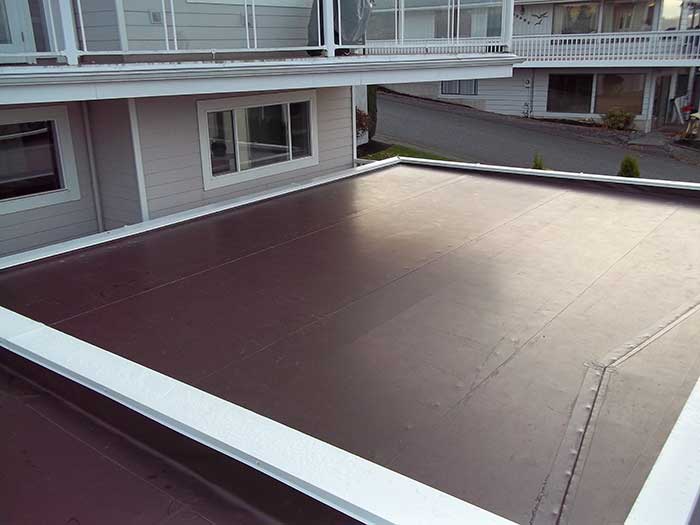
Poor seam welding, incorrect fastening, or improper flashing can lead to premature failure. When a roof is installed correctly, every seam is sealed tightly, and every component works together to protect the structure beneath it.
A professionally installed PVC roof is far more likely to reach or even exceed its expected lifespan, while a poorly installed one may begin to fail much sooner than expected.
2. Membrane Thickness and Quality
PVC roofing membranes come in different thicknesses, typically measured in mils. Thicker membranes offer better durability and resistance to damage. They are more capable of withstanding impacts, temperature fluctuations, and long-term exposure to the elements.
Choosing a higher-quality membrane often means a longer-lasting roof, as premium materials are engineered to maintain their integrity over decades rather than years.
3. Climate and Weather Conditions
Your local climate plays a major role in roof longevity. Extreme temperatures, heavy storms, and constant UV exposure all contribute to wear and tear over time.
In areas with intense sunlight, UV rays can gradually degrade roofing materials, while regions that experience freeze-thaw cycles may see additional stress placed on seams and structural components. Severe weather events such as high winds or hail can also shorten a roof’s lifespan if damage occurs and is not addressed quickly.
4. Drainage and Roof Design
Flat roofs rely heavily on proper drainage, and this is especially true for PVC systems. Standing water, often referred to as ponding, is one of the leading causes of premature roof failure. When water remains on the surface for extended periods, it increases stress on the membrane and accelerates material breakdown.
A well-designed roof with proper slope and drainage systems allows water to flow off efficiently, helping preserve the integrity of the roofing material and extending its lifespan.

5. Maintenance and Inspections
Routine maintenance is essential for maximizing roof lifespan. Even a durable material like PVC needs regular care.
Basic maintenance includes:
- Annual or semi-annual inspections
- Clearing debris from drains
- Repairing minor issues quickly
- Checking seams and flashing
Regular maintenance can add years to your roof’s life and prevent costly repairs down the line.
6. Foot Traffic and Usage
PVC roofs are often installed on buildings with rooftop equipment, such as HVAC systems. Frequent foot traffic can lead to wear and tear if not properly managed.
Protective measures like walk pads help reduce damage and extend the life of the roof.
PVC Roof vs Other Roofing Materials
To understand the value of PVC roofing, it helps to compare it to other common roofing systems.
- Asphalt shingles: 20 to 30 years
- Cedar shake shingles: 15 to 30 years
- Metal roofing: 40 to 70 years
- TPO roofing: 15 to 25 years
- EPDM roofing: 20 to 30 years
PVC roofing sits comfortably in the mid-to-high range, offering excellent durability for flat and low-slope applications. While it may not last as long as metal or tile, it outperforms many other flat roofing systems in both longevity and performance.
Signs Your PVC Roof Is Nearing the End of Its Life
Even a high-quality PVC roof will eventually need replacement. Knowing the warning signs can help you act before major damage occurs.
Look for:
- Cracking or brittleness in the membrane
- Frequent leaks or seam failures
- Discoloration or surface degradation
- Persistent ponding water
- Rising repair costs
If your roof is approaching the 20 to 30-year mark and showing these signs, it may be time to consider a replacement.
How to Extend the Life of Your PVC Roof
The good news is that you have a lot of control over how long your roof lasts. With the right approach, you can push your PVC roof toward the upper end of its lifespan.
Investing in professional installation is one of the most important steps you can take. A properly installed roof provides the foundation for long-term performance and durability. Working with experienced professionals ensures that seams are sealed correctly, materials are handled properly, and the entire system is built to last.
Regular inspections also play a critical role in extending your roof’s lifespan. By identifying and addressing minor issues early, you can prevent them from turning into larger, more expensive problems. Keeping the roof clean is equally important, as debris can block drainage systems and lead to standing water that damages the membrane over time.
Prompt repairs are another key factor. Small issues like minor punctures or seam separation should be fixed quickly to avoid further deterioration. Additionally, protecting high-traffic areas with walk pads can significantly reduce wear and tear, especially on roofs that house equipment or require regular access.
Is a PVC Roof Worth the Investment?
PVC roofing is often considered a premium option for flat and low-slope roofs. While the upfront cost may be higher than some alternatives, the long-term benefits make it a smart investment.
Key advantages include:
- Long lifespan
- Excellent durability
- Strong resistance to leaks
- Energy efficiency due to reflective surfaces
- Low maintenance requirements
When properly installed and maintained, a PVC roof offers reliable performance for decades, making it a cost-effective choice over time.
Final Thoughts on PVC Roofing
Understanding PVC roof lifespan helps you make a smarter, more confident roofing decision. While most PVC roofs last between 20 and 30 years, many can exceed that range with proper installation and care. Factors like climate, maintenance, and material quality all play a role in how long your roof will perform.
If you are considering a PVC roofing system or want to evaluate your current roof, working with a trusted professional can help you get the most value and longevity from your investment.
At Larry Haight’s Residential Roofing Company, we focus on expert installation techniques, high-quality materials, honest recommendations, and long-term customer satisfaction. Our team understands the unique demands of flat and low-slope roofing systems and works to ensure your investment performs at its best for years to come. Contact our team online or call 425-881-9771 to schedule a free estimate!
Frequently Asked Questions About PVC Roof Lifespans
1. How long does a PVC roof last compared to TPO?
PVC roofs typically last longer than TPO systems. While TPO roofs average around 15 to 25 years, PVC roofs often reach 20 to 30 years or more with proper care.
2. Can a PVC roof last 40 years?
Yes, some high-quality PVC roofs can last up to 40 years, especially when installed correctly and well-maintained.
3. What is the biggest factor in PVC roof lifespan?
Installation quality is the most important factor. Poor installation can significantly reduce the lifespan, even with high-quality materials.
4. How often should a PVC roof be inspected?
It is recommended to inspect your PVC roof at least once or twice a year, as well as after major storms.
5. Is PVC roofing a good investment for homeowners?
Yes, PVC roofing is a durable, long-lasting option that offers excellent value over time, particularly for flat or low-slope roofs.